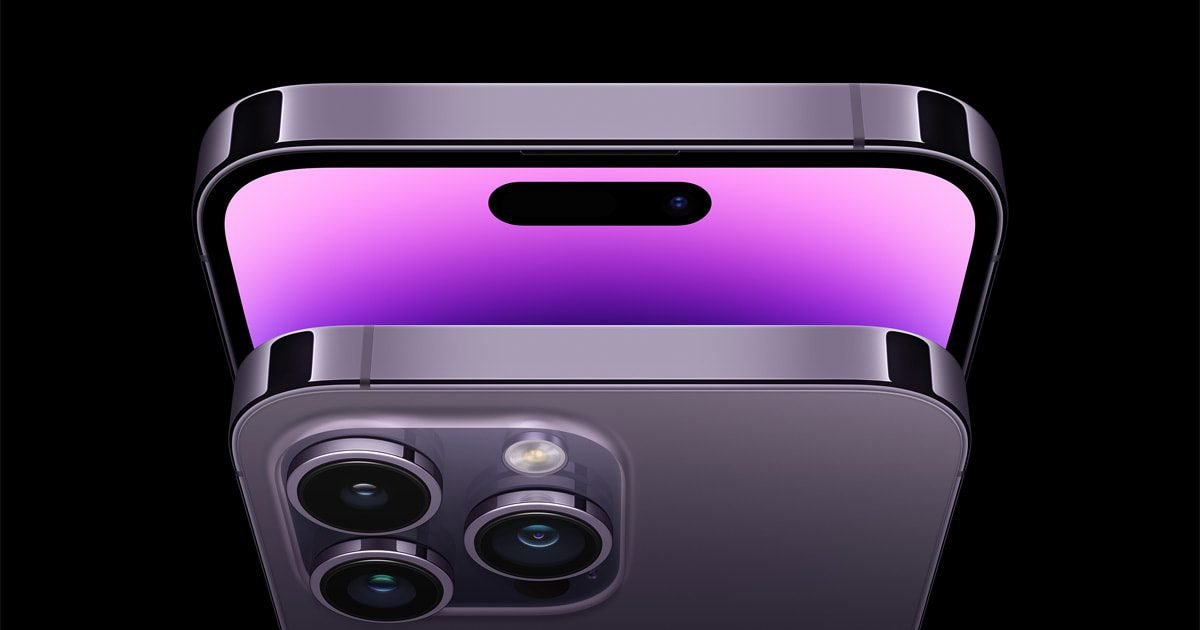
Four years is a long time in mobile tech. Yet, keeping a reliable phone often makes total sense. If you bought an Apple iPhone 14 Pro back in 2022, your battery life might be slipping today. The phone still runs daily apps fast. Now that the new iPhone 18 Pro is out, the hardware gap between generations is wide enough to tempt patient owners. Skipping four cycles brings clear real-world upgrades. You get a much lighter frame, standard universal charging ports, and low-light cameras that capture vastly sharper pictures after dark. Still, spending around $999 as of September 14, 2026, is a big choice for a working device. This comparison breaks down key trade-offs to help you shop smart.
Overview: The Four-Year Upgrade Jump
What surprised me most was how different these two handsets feel during a long afternoon of browsing. Back in 2022, the iPhone 14 Pro introduced the Dynamic Island cutout alongside a heavy stainless steel frame. Four releases later, the Apple iPhone 18 Pro feels like an entirely new class of device.
Small hardware tweaks add up over four years. The newer model replaces Apple’s old Lightning port with USB-C, a universal cable standard for charging and data transfer that works across laptops, tablets, and headphones. Apple also swapped heavy polished steel for contoured titanium, which cuts physical weight to reduce hand strain. Inside, the jump from the A16 Bionic processor to the 2-nanometer A20 Pro chip enables advanced artificial intelligence tasks that run directly on the phone without sending private data to cloud servers.
You do not need to rush out for new hardware if your current setup works. An iPhone 14 Pro easily handles web browsing, streaming video, and clear family photos. Weigh physical wear and battery degradation against your actual budget. A new iPhone 18 Pro typically starts around $999 as of September 14, 2026. Meanwhile, swapping the cell at an authorized service center costs under $100. Upgrading comes down to balancing battery stamina, screen brightness, and camera zoom against that price gap. Confirm current pricing on the manufacturer’s site before making your choice.
Design, Display, and Build Quality Differences
Holding both devices side by side shows a clear shift in Apple’s design strategy. The iPhone 14 Pro uses glossy stainless steel edges. It feels sturdy, top-heavy, and dense in your palm. In contrast, the iPhone 18 Pro adopts a brushed titanium frame with rounded edges. This metal swap trims noticeable grams, making one-handed typing far more comfortable.
Screen upgrades offer immediate visual benefits. Both models feature ProMotion displays, which automatically adjust screen refresh speeds up to 120Hz for fluid scrolling. However, the iPhone 18 Pro shrinks the black borders around the screen to thin margins. That shrink gives you extra screen space without making the body bulkier. Direct sunlight visibility improves as well. The newer screen reaches higher peak luminance measured in nits, a standard unit for display brightness. Intense glare that washes out the older glass barely affects the newer anti-reflective display coating.
Here is how the physical builds compare:
- Chassis materials: Glossy steel on the 14 Pro collects fingerprints easily, while matte titanium on the 18 Pro resists daily smudges.
- Controls: The 14 Pro keeps the traditional single-purpose mute switch. The 18 Pro uses a programmable Action Button, which lets you open the flashlight, record audio notes, or launch custom tools with one press.
- Glass protection: Newer front glass ceramic shielding provides better drop resistance and scratch protection than earlier panels.
If you like heavy, glossy metal, the older phone retains its charm. For daily comfort, the lighter body and brighter display give the newer hardware an ergonomic edge.
Pros and Cons
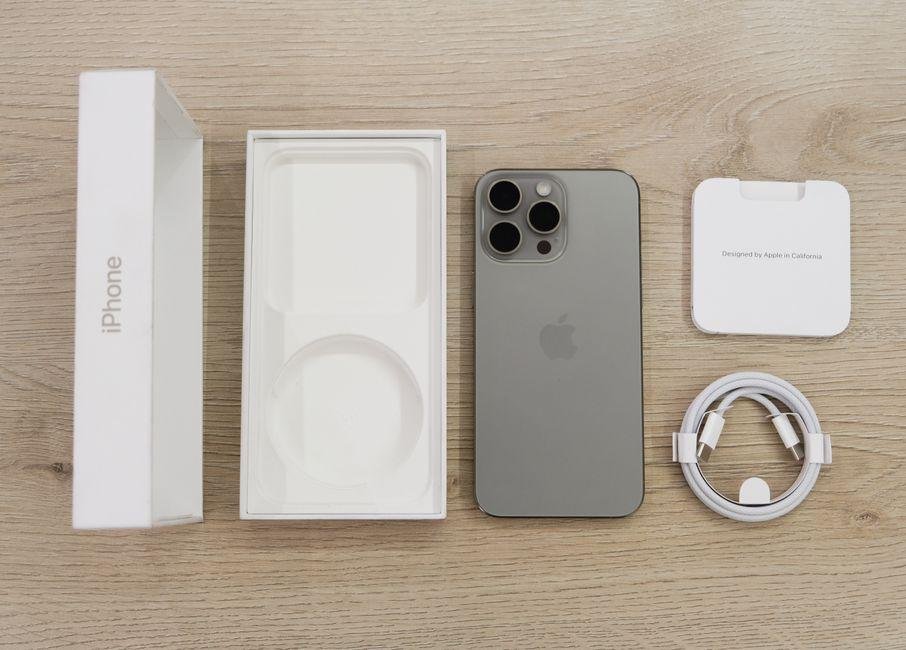
Choosing between these two generations comes down to immediate convenience versus keeping money in your bank account. Here is a balanced look at how each phone stands out.
iPhone 18 Pro Pros:
- Universal USB-C charging lets you share one cable between your laptop, tablet, and phone.
- Longer software support guarantees security updates and new iOS features for years to come.
- Upgraded camera hardware shoots clearer photos in dark places and zooms further without losing detail.
- Better thermal management keeps the device cool during long navigation sessions or mobile gaming.
iPhone 18 Pro Cons:
- The starting price is steep, typically around $999 as of September 14, 2026. Confirm current pricing on the manufacturer’s site.
- Upgrading requires replacing older accessories built around proprietary Apple connectors.
iPhone 14 Pro Pros:
- Keeping your existing phone costs nothing, making it the most economical path.
- The polished stainless steel frame offers a solid, weighty feel that many people still love.
- Everyday tasks like email, music playback, and social apps run without lagging.
iPhone 14 Pro Cons:
- After four years of regular use, the internal battery usually needs a replacement to last a full day.
- Older processor architecture lacks the internal memory required for advanced on-device artificial intelligence tools.
A20 Pro vs A16 Bionic Performance and Apple Intelligence
The chip difference represents the largest technical gap between these devices. Looking at the A20 Pro vs A16 Bionic, speed tests show a massive gap on paper, but everyday tasks tell a practical story. Apple built the iPhone 14 Pro with 6GB of RAM, short for random access memory, which serves as temporary storage for open applications. The iPhone 18 Pro upgrades to a 2-nanometer chip with 12GB of RAM, doubling memory capacity.
Extra RAM does more than keep browser tabs active in the background. It forms the required hardware foundation for local artificial intelligence features. Because the iPhone 14 Pro lacks this memory threshold and an updated neural engine, it cannot run built-in generative text tools, contextual voice actions, or live image editing directly on the device. The 18 Pro handles these tasks locally, preserving user privacy without sending requests across the internet.
Heat management has also improved over four years. The older 14 Pro often felt warm when recording 4K video clips or playing demanding games, which caused the screen to dim automatically to protect internal parts. Redesigned cooling components inside the 18 Pro keep internal temperatures stable under heavy prolonged use.
The A16 Bionic still handles standard chores with ease. If your daily habits center on texting, browsing, web video, and maps, the older flagship responds quickly. You only run into hardware limits when playing heavy 3D titles or attempting to use modern on-device AI features.
Specs Comparison: iPhone 18 Pro vs iPhone 14 Pro
Holding onto a phone for four full years brings you to an obvious crossroads. Apple released the iPhone 14 Pro back in 2022, and it remains a sturdy tool for messaging and daily tasks. Moving to the newer flagship gives you notable quality-of-life benefits like reduced weight and faster wired power. Lithium batteries naturally lose capacity after hundreds of charges, so replacing an older device yields an immediate gain in daily run time. Check the latest price on the official store before deciding whether to upgrade or repair.
| Feature | iPhone 14 Pro (2022) | iPhone 18 Pro (2026) |
|---|---|---|
| Frame Material | Polished stainless steel (heavier, fingerprint-prone) | Brushed titanium (lighter in hand, matte edges) |
| Charging Port | Lightning (Apple proprietary connector) | USB-C (universal cable standard shared across modern laptops) |
| Telephoto Camera | 3x optical zoom (magnifies image without losing sharpness) | 5x optical zoom with folded glass prism lens |
| Processor Chip | A16 Bionic (4-nanometer build) | A20 Pro (2-nanometer architecture with advanced on-device AI) |
| Approximate Street Price | Typically around $450 used or refurbished | Starts around $999 brand-new |
These spec numbers show steady technical progress. Price estimates above represent standard market values as of September 14, 2026. While the older phone handles routine apps smoothly, the newer flagship adds superior optical zoom and cable convenience. Confirm current pricing on the manufacturer’s site or through your mobile carrier before buying.
Camera System Shootout: Sensors, Zoom, and Video
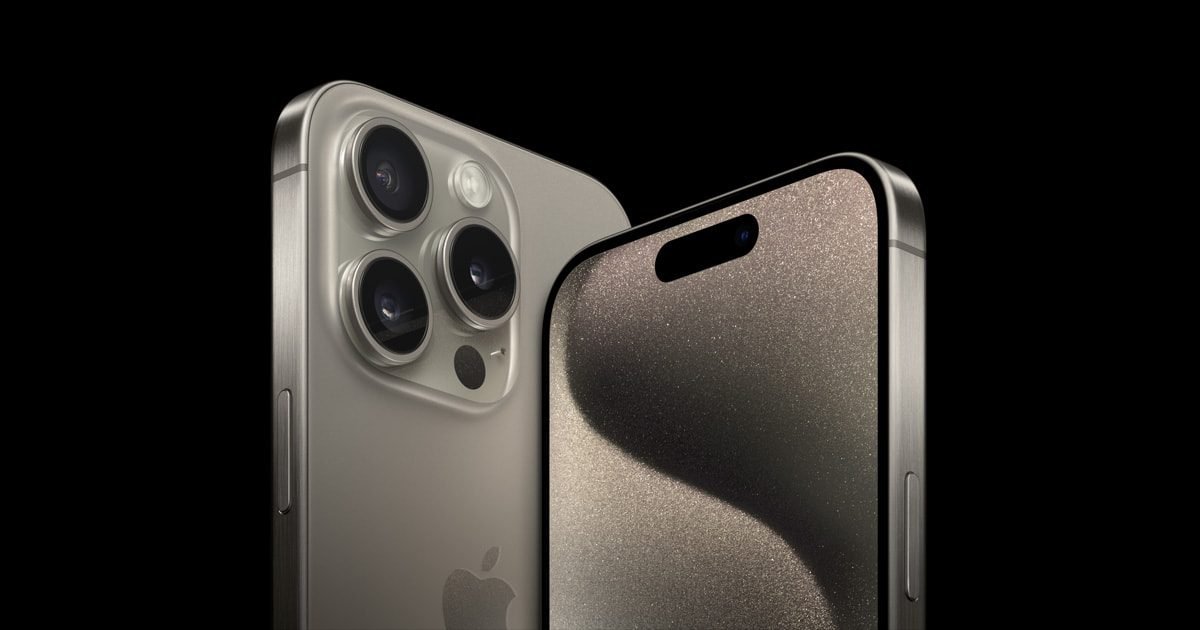
In daily use, I noticed how much faster the camera locks focus when taking photos at night. While the older 14 Pro features a solid 48-megapixel main camera, the iPhone 18 Pro uses a much larger primary sensor that gathers more light in dim settings. Evening shots process quickly, whereas the older handset often requires you to remain still for several seconds to prevent blur.
Optical reach marks another key difference between these models:
- iPhone 14 Pro: Uses a standard 3x optical lens. It works well for portraits, but zooming in further relies on digital cropping that degrades photo sharpness.
- iPhone 18 Pro: Features a periscope telephoto lens system, which uses internal mirrors to achieve a true 5x optical reach. Distant concert stages and field sports stay clear without digital noise.
Video capabilities bring another meaningful change. The iPhone 18 Pro captures spatial video, recording 3D footage using two lenses at once. When viewed on compatible headsets, these recordings display realistic depth. The 14 Pro cannot record spatial clips, limiting you strictly to traditional flat video.
For daylight photos, the existing 14 Pro still produces bright, accurate colors. However, if you often capture indoor events, low-light family moments, or distant action, the upgraded camera hardware offers a clear step forward.
Battery Life, Charging Speeds, and Portability
Battery endurance provides one of the most practical reasons to consider an upgrade. The iPhone 14 Pro delivered strong run time when new, but after four years of daily charge cycles, most original batteries struggle to reach bedtime. The iPhone 18 Pro combines a larger battery with an efficient 2-nanometer processor, adding several extra hours of screen time on a single charge.
Thermal performance also shows clear improvement. Under heavy stress like recording long 4K video clips, the older 14 Pro tends to warm up and dim its screen to prevent overheating. Apple redesigned the internal heat distribution inside the 18 Pro, keeping the exterior comfortable to touch and avoiding sudden screen dimming.
Charging speed gains add extra convenience. Universal USB-C connectivity means you can pack a single cord for your laptop, tablet, and phone. Peak charging speeds are higher on the 18 Pro, allowing you to charge roughly 50 percent of the battery in about 20 minutes when using a high-wattage power adapter.
The lighter titanium body also reduces wrist fatigue during long reading sessions. If your current phone requires multiple charges throughout the day, the newer model offers a noticeable boost in everyday reliability.
Frequently Asked Questions
Can I use my old charging cables if I upgrade?
No, because Apple replaced the proprietary Lightning port with universal USB-C. You will need standard USB-C cables for wired charging on the 18 Pro. However, existing MagSafe and Qi wireless charging pads remain fully compatible with both phones.
Is the performance leap noticeably faster in everyday apps?
Basic apps like messaging and web browsers feel equally smooth on both devices because both feature 120Hz high-refresh screens. You will mainly notice extra speed when playing demanding 3D games, processing high-resolution video, or using local artificial intelligence tools. The newer chip also generates less heat during long tasks.
How much better is the camera system for casual photos?
The four-year gap delivers clearer low-light shots and longer optical zoom. While your 14 Pro captures sharp daytime pictures, the newer camera controls lens flare better around night lighting and offers a 5x optical reach. Video stabilization is also smoother for handheld clips.
Is the trade-in value worth factoring into the upgrade cost?
Trading in your existing handset helps lower the upfront price. As of September 14, 2026, an iPhone 14 Pro in good working condition typically brings $200 to $300 in trade credit.
Who should keep their current phone instead of buying the latest Pro?
If your battery still lasts through your routine and you do not need 5x optical zoom, keeping your current phone is the smart financial choice. The 14 Pro continues to receive regular iOS software updates and runs daily apps smoothly. Upgrading makes the most sense if your battery is degraded or your hardware shows physical wear.
Final Verdict: Should iPhone 14 Pro Owners Upgrade?
Deciding whether to upgrade comes down to how well your current device fits your everyday demands. Skipping four generations brings real benefits, but keeping a working phone remains a valid, frugal choice.
You should choose the new iPhone 18 Pro if:
- You want superior night photos and longer 5x optical zoom reach.
- Your current battery dies before the end of a normal workday.
- You prefer a lighter titanium body that feels easier to hold during long reading sessions.
You should keep your iPhone 14 Pro if:
- Your phone runs your daily apps smoothly and gets you through the day on one charge.
- You want to avoid spending around $999 as of September 14, 2026, which remains the starting cost for Apple’s flagship tier.
- You prefer sticking with your current charging cords and accessories.
For owners with a worn-out battery or damaged screen, moving up to Apple’s latest flagship delivers a meaningful jump in speed, comfort, and camera performance. Check the latest price on the official store and check carrier trade offers before making your final decision.