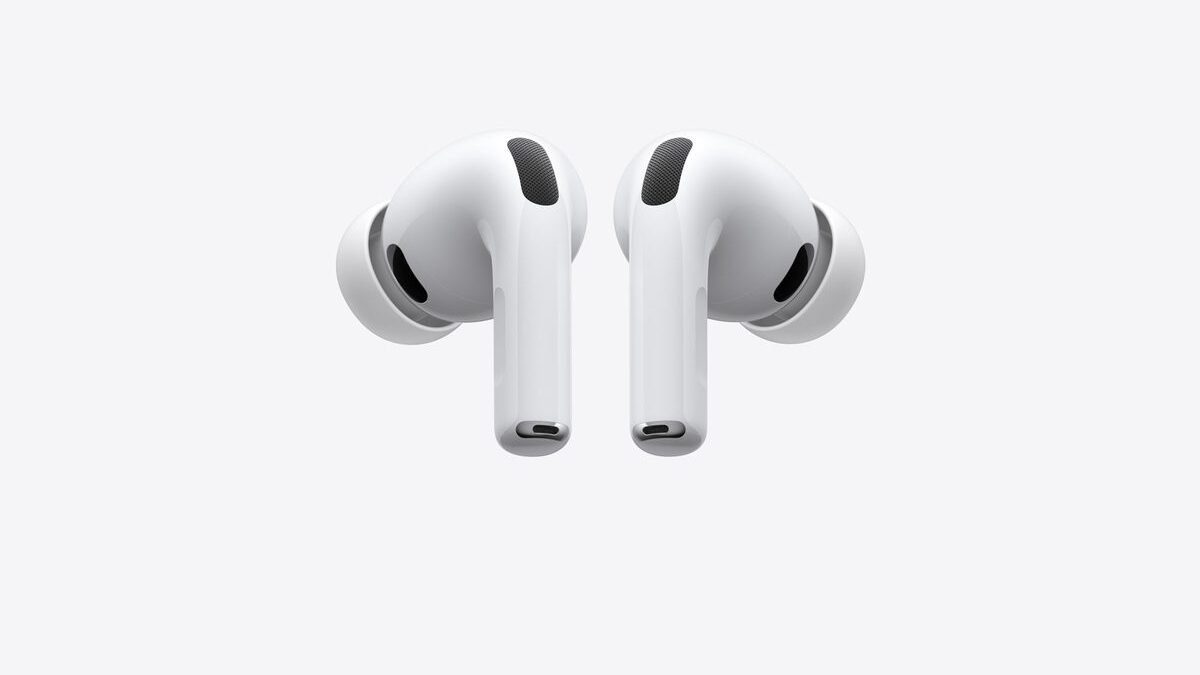
Choosing between Apple’s newest wireless earbuds comes down to your daily habits and how you like your audio to fit. The baseline AirPods 5 give you a lighter open shape without rubber tips, along with active noise cancellation (ANC), which uses small microphones to cancel outside hums. They typically cost around $180 as of September 20, 2026. Stepping up to the AirPods Pro 3 brings flexible silicone tips that seal your ears, offering better sound isolation and advanced health sensors. These flagship buds often sell near $250 as of September 20, 2026. If you dislike jamming silicone into your ears, the open design provides fantastic daily value. However, daily commuters needing quiet will prefer the stronger physical seal on the premium model. Here is how they stack up side by side.
Active Noise Cancellation and Audio Performance
Sound isolation creates a major divide between these two models. The AirPods Pro 3 combine soft ear tips with active noise cancellation to block deep engine rumbles and loud subway screeches. That physical seal keeps sound trapped inside your ear canal while stopping outside noise from leaking in.
The standard AirPods 5 introduce ANC to an open-ear shape. They handle low background hums like desk fans or air conditioners well, but sharp ambient noise still gets through. Both options support spatial audio with dynamic head tracking, which creates 3D surround sound that adjusts as you turn your head.
- AirPods Pro 3 features: Custom low-distortion drivers output punchy bass lines and crisp vocal details. Transparency mode, a setting that uses external microphones to pass outside sounds into your ears, feels very natural here.
- AirPods 5 features: Updated acoustic components deliver punchy sound for an unsealed earbud, though loud volume levels can spill sound to people nearby.
If you spend hours in noisy places, the sealed flagship design gives you much tighter sound control.
Battery Life and Charging Case Improvements
Daily convenience takes a step forward on both pairs. The regular AirPods 5 provide up to 5 hours of continuous playback on a single charge, reaching 30 hours total with the compact case. In contrast, the AirPods Pro 3 stretch single sessions to roughly 6 hours, delivering about 30 total hours of listening time.
Both cases now charge using USB-C, the standard oval cable used across modern phones and laptops. The Pro case adds built-in magnets for MagSafe wireless charging pads. Standard buds rely on standard Qi pads or Apple Watch chargers, which work fine but lack magnetic alignment.
Quick charging speeds are identical: 5 minutes inside either case grants roughly 1 hour of listening time. The Pro case offers extra physical tools, including a built-in speaker that chirps when located through your phone and a side lanyard loop. Confirm current pricing on the manufacturer’s site before buying.
AirPods 5 vs AirPods Pro 3: Specs & Key Differences
The underlying hardware contrasts highlight two different design styles. Apple built the entry model to rest gently outside your ear canal without any rubber tips. This open structure allows air and light room noise to pass through naturally. On the flip side, the flagship model uses soft silicone tips in four sizes to create an airtight seal inside your ears.
Controls also separate these models during regular use. The standard earbud relies on a pressure sensor on the stem that you squeeze to play or pause songs. The Pro model adds capacitive touch controls on the stem, letting you slide a finger up or down to adjust volume directly.
- AirPods 5: Open design, skin-detecting optical sensors, squeeze controls, listed near $130 to $180 as of September 20, 2026.
- AirPods Pro 3: Silicone ear tips, skin temperature tracking, swipe volume adjustments, priced around $250 as of September 20, 2026.
Your decision rests on whether you prefer a weightless fit or extra hardware options. Confirm current pricing on the manufacturer’s site to see live offers.
Design and Fit: Open-Ear vs Silicone Ear Tips
What I found interesting was how much the physical shape changes extended listening sessions. The base earbuds feature smooth plastic that rests on your outer ear without plugging your ear canal. This removes internal pressure buildup, making them easy to wear during long work shifts.
In contrast, the Pro model relies on flexible silicone tips that create a secure grip inside your ear. That firm hold prevents the buds from shifting when you run or lift weights at the gym.
- Open-Ear Comfort: Light plastic housing stays comfortable for hours, though it cannot be adjusted if your ears are smaller or larger than average.
- Sealed Security: Multiple tip sizes let you customize the fit to block wind drafts and stay firmly in place.
- Ear Fatigue: Sealed tips can create a slight stuffed sensation after long periods, while hard plastic might press against outer ear cartilage over time.
Matching the fit to your daily activity ensures long-term comfort.
Side-by-Side Comparison Table

| Feature | Apple AirPods 5 | Apple AirPods Pro 3 |
|---|---|---|
| Design Type | Open-ear fit (no silicone tips) | In-ear fit (silicone ear tips) |
| Active Noise Cancellation | Optional on higher tier | Advanced ANC with adaptive transparency |
| Charging Case | USB-C case with speaker | USB-C case with speaker and MagSafe |
| Battery Life (Earbuds) | Up to 5 hours | Up to 6 hours |
| Estimated Street Price | Around $130 to $180 | Around $250 |
AirPods 5 vs AirPods Pro 3 Overview
Comparing these two models shows how Apple expanded its lineup to meet different needs. The standard AirPods 5 bring updated audio hardware to a loose open design. The AirPods Pro 3 focus on deep sound isolation and advanced health features. Both pairs share snappy H2 chips, clear microphones, and smaller carrying cases.
Choosing between them depends on how you balance physical fit against noise control. If you dislike stuffing rubber tips into your ears, the open entry pair feels far less intrusive. On the other hand, travelers who brave crowded trains or noisy open offices will benefit from the sealed Pro design. Check the latest price on the official store before picking your pair.
Design, Fit, and Active Noise Cancellation
Fit mechanics directly impact how noise cancellation performs. The open plastic shape of the AirPods 5 rests in your outer ear bowl without blocking your ear canal. While this design prevents ear fatigue, it allows ambient noise to pass through freely. Apple added ANC to a higher tier of this open model, using external microphones to reduce steady low-frequency hums. However, without a physical barrier, sudden high-pitched sounds still leak through.
The AirPods Pro 3 achieve stronger isolation by pairing active electronics with a physical silicone barrier. The tight seal blocks high frequencies naturally before noise cancellation kicks in. Apple also equips the Pro model with adaptive audio that automatically tones down harsh sirens while keeping human conversation audible. For noisy coffee shops or air travel, the combined physical seal and dynamic ANC give the flagship pair a clear edge.
Sound Quality, Battery Life, and Price
Audio dynamics differ noticeably between these choices. The unsealed AirPods 5 produce balanced mid-tones and clear voice tracks, but they lose sub-bass impact due to air gaps around the casing. Spatial audio adds a fun 3D movie experience, but outdoor noise can overpower subtle musical details. Their battery provides 5 hours of playback per charge, while the compact case holds another 25 hours.
Meanwhile, the AirPods Pro 3 deliver deeper bass and crisp high notes thanks to custom low-distortion drivers and isolated ear canals. The seal traps low frequencies, giving music far more energy. Battery life reaches 6 hours per charge, with the case storing up to 30 total hours.
Pricing reflects these performance upgrades. The base AirPods 5 start around $130, while adding ANC pushes the cost near $180 as of September 20, 2026. The AirPods Pro 3 are listed near $250 as of September 20, 2026. Confirm live rates on the brand’s main shop before buying.
Which Should You Buy in 2026?
Deciding which pair to buy comes down to your personal listening habits. Choose the entry-level AirPods 5 if you hate the plugged feeling of ear tips and want a light bud for casual phone calls or indoor music. The optional ANC tier gives you moderate background noise reduction without forcing a tight seal, offering a great middle ground for everyday use.
Pick the AirPods Pro 3 if you spend hours in noisy environments where total quiet is essential. The higher cost pays off through richer bass, effective noise reduction, and better stability during workouts. Both models feature fast pairing and seamless audio switching across Apple devices. Verify live details on the manufacturer’s site to see current deals.
Pros and Cons: AirPods 5 vs AirPods Pro 3
The first thing you notice when weighing these options is how their distinct strengths target different habits. Examining their features clarifies which trade-offs fit your routine.
AirPods 5 Pros:
- All-day comfort: The tip-free design avoids ear canal pressure during long calls.
- Lower cost: Apple sets a budget-friendly entry price for everyday listening.
- Easy awareness: You can hear surroundings without removing the earbuds.
AirPods 5 Cons:
- Sound leakage: Audio spills out and outside noise leaks in loud areas.
- Basic sensors: Lacks advanced health tracking tools found on higher models.
AirPods Pro 3 Pros:
- Rich soundstage: The physical seal enhances spatial audio for immersive movie listening.
- Secure grip: Soft tips keep earbuds anchored during workouts.
- Strong quiet: Excellent isolation blocks busy background environments.
AirPods Pro 3 Cons:
- Higher price: These buds are often listed near $250 as of September 20, 2026. Confirm current pricing on the manufacturer’s site.
- Tip pressure: In-ear seal can feel tight after several hours.
Price and Value Proposition
Finding the right value depends on how many hours you wear your earbuds each day. The standard Apple AirPods 5 generally range from $130 to $180 depending on the case options, while the feature-packed AirPods Pro 3 usually cost around $250, prices as of September 20, 2026.
Investing extra in the Pro model makes sense for daily commuters or remote workers in noisy houses. The noise blockage saves energy and helps focus over years of use. Conversely, light listeners who want basic audio for home tasks get better value from the entry model.
- Casual listeners: The standard model covers core Apple features like fast device switching at a lower price.
- Commuters and workers: The Pro version provides top isolation and health tracking features that justify the investment.
- Budget buyers: Saving money on the base tier offers simple utility without extra expense.
Check the latest price on the official store to see if active discounts shrink the gap.
Frequently Asked Questions
Do both models feature Active Noise Cancellation?
Both models offer ANC, but they function differently. The Pro 3 uses a tight silicone seal to block external noise effectively. The standard model uses open-ear ANC to soften background hums without plugging your ear canal. If maximum quiet is your priority, the Pro model is superior.
How big is the price gap between these two models?
The base AirPods 5 sell for around $130 to $180 depending on features, while the Pro 3 usually sits near $250 as of September 20, 2026. Extra cost gets you silicone tips, stronger noise reduction, and extra sensors.
Which option works better for workouts and running?
The AirPods Pro 3 provide a more secure fit thanks to silicone ear tips that stay put during vigorous movement. The standard earbud rests loosely in your outer ear, which can shift during intense cardio. Both pairs handle sweat and splash resistance well.
Is battery life similar across both sets of earbuds?
Single-charge battery performance is close, offering 5 to 6 hours of listening time. Their charging cases extend total playback to roughly 30 hours. Turning off high-power modes like spatial audio helps both models last longer during travel.
Can you use these earbuds with an Android phone?
You can connect either pair to Android phones using standard Bluetooth, but you lose key software features. Automatic pairing, instant device switching, and spatial tracking require an Apple device. Non-Apple users will find better value in open-platform earbuds.
Final Verdict: Which Apple Earbuds Should You Choose?
Deciding between these two options comes down to physical fit preference and your exposure to background noise. Matching your environment to the right feature set ensures you get the best experience for your money.
Go with the standard AirPods 5 if:
- You dislike the pressure of silicone tips inside your ear canals.
- You mostly listen in quiet indoor spaces or on casual walks.
- You want seamless Apple device switching without paying extra for advanced noise cancellation.
Upgrade to the AirPods Pro 3 if:
- You commute on loud buses or work in busy open offices.
- You need a locked fit that stays secure during gym sessions.
- You want top-tier noise isolation, spatial tracking, and extra health sensors.
If your schedule includes noisy transit, paying more for the Pro model pays off in everyday peace. Check street deals reported as of September 20, 2026, and confirm current pricing on the manufacturer’s site before making your final purchase.