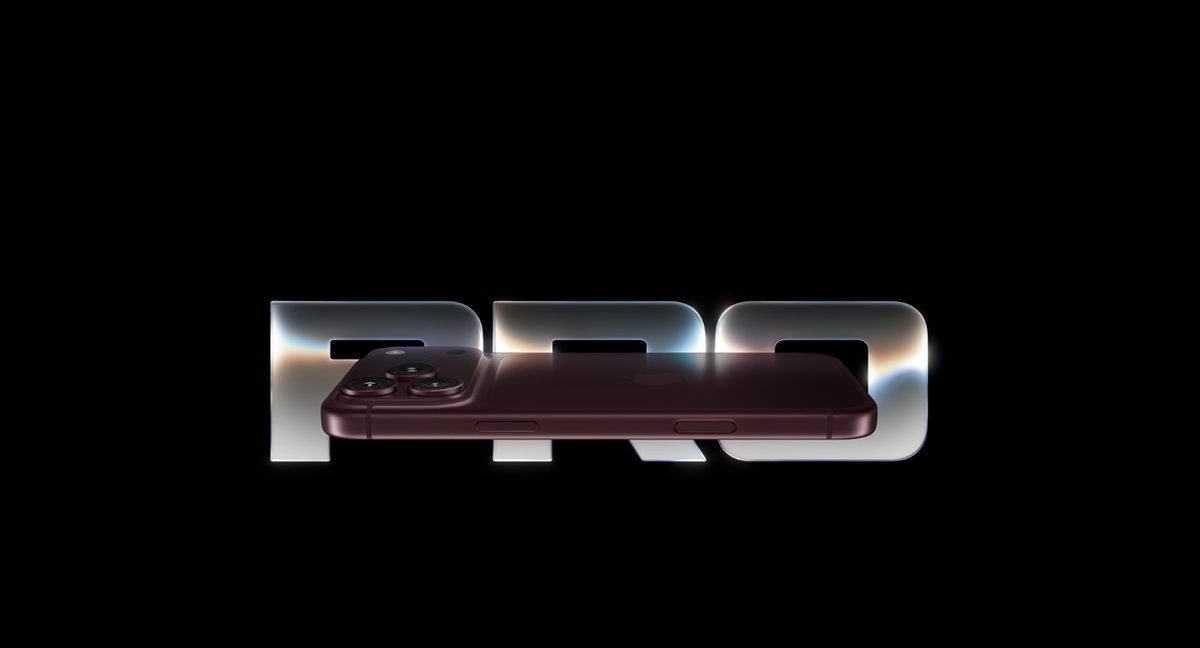
Choosing a top smartphone usually comes down to two big names, and this year brings a tight race. Apple offers the iPhone 18 Pro Max with polished cameras and efficient power use. Samsung counters with its flexible Galaxy S26 Ultra, featuring a built-in stylus and long zoom range. Both flagships typically cost near $1,200 as of September 20, 2026. Your decision rests on whether you prefer clean software simplicity or complete hardware customization. Apple delivers a smooth experience that makes everyday tasks feel effortless. Meanwhile, Samsung gives power users deep settings control, sharp screen tech, and split-screen options that turn your phone into a tiny workstation.
Camera System and AI Feature Showdown
What surprised me most was how differently these two camera setups perform in daylight. Samsung relies on a dual telephoto design with up to 10x optical zoom, which magnifies distant objects with actual glass lenses to preserve clarity. Faraway shots stay sharp.
Apple takes a distinct path with computational photography. Using smart software programs to clean up image noise and balance contrast right after you press the shutter button. The main sensor works alongside an upgraded ultra-wide camera that captures clear shots in dim rooms.
Here is how their photo systems compare:
- Samsung Galaxy S26 Ultra: Built-in editing tools let you move background objects, while extreme zoom reach helps at concerts or sporting events.
- iPhone 18 Pro Max: Excels at video recording with smoother stabilization, realistic color balance, and higher frame rates for fast motion.
Samsung includes generative artificial intelligence tools inside its photo app to build new background elements automatically. Apple keeps software edits subtle, focusing on true colors and fast shutter speeds. If you record frequent clips of lively pets, the iPhone handles motion cleanly with minimal blur. If you want total editing control over far subjects, the Galaxy gives you extra reach.
Battery Life and Charging Speed
Both devices easily last through a full day of heavy use, though they manage energy differently. Apple relies on efficient silicon design to lower power draw during idle hours. Samsung uses a 5,000 mAh cell, short for milliampere-hours (a unit measuring battery storage capacity), to handle bright screens without draining too quickly.
When you need to recharge, their hardware options show clear differences:
- Wired Power: Samsung supports 45W fast charging over a universal USB-C cable, filling zero to 70 percent in roughly half an hour. Apple tops out near 35W, needing about 45 minutes to reach that same level.
- Wireless Power: Apple uses magnetic alignment to lock onto Qi2 chargers and prevent extra heat build-up. Galaxy phones charge wirelessly at up to 15W on flat pads, though you need a magnetic case to snap accessories to the back.
Samsung takes the lead for fast cable top-ups before leaving home. Apple wins if you want minimal overnight battery drain on your desk.
Design and Display Comparison
The two phones feel completely different in your hand. Apple gives its flagship rounded titanium edges that make long reading sessions comfortable. Samsung chooses a rectangular shape with flat borders, creating a sharp workspace aesthetic.
Both models feature massive screens measuring roughly 6.9 inches diagonally. Samsung uses an AMOLED panel, short for Active-Matrix Organic Light-Emitting Diode, where every pixel creates its own light to produce deep dark levels. Samsung also adds a special anti-reflective screen treatment to stop bright sunlight glare, plus a built-in S Pen stylus housed inside the bottom edge.
Apple relies on a Super Retina screen with an adaptive refresh rate. The panel adjusts smoothly from 1 to 120 display updates per second to save battery power on static pages. Apple keeps its pill-shaped Dynamic Island cutout for face scanning, while Samsung uses a tiny circle cutout that occupies less screen space.
- iPhone 18 Pro Max: Smooth titanium edges, comfortable grip, and adaptive 120Hz display scaling.
- Samsung S26 Ultra: Boxy frame, glare-reducing glass, and internal S Pen stylus.
Performance and Chipset: A20 Pro vs Snapdragon 8 Gen 5
Both chips deliver speed levels that most everyday phone users will rarely max out. Apple powers its phone with the A20 Pro, built on a 2-nanometer process. Samsung selects Qualcomm’s Snapdragon 8 Gen 5 processor. Both chips run far faster than older phones, but they excel in separate areas.
In daily performance, the A20 Pro takes a slight lead in single-threaded tasks. Apps open instantly and video exports process quickly. The Snapdragon 8 Gen 5 turns in higher multi-core benchmark numbers, turning Samsung’s phone into a productivity engine for side-by-side apps.
For gaming demands:
- iPhone 18 Pro Max: Keeps frame rates steady with smooth ray tracing, which models real light reflections in modern games.
- Samsung Galaxy S26 Ultra: Uses a fast graphics unit that holds top frame rates longer during long gaming sessions.
Both chips contain an NPU, or Neural Processing Unit, which is a dedicated chip section that runs artificial intelligence functions directly on the phone. Apple uses its NPU to process live speech translation privately. Samsung uses its NPU for instant text summaries and photo object removal.
Specs Comparison Table
| Feature | Apple iPhone 18 Pro Max | Samsung Galaxy S26 Ultra |
|---|---|---|
| Starting Price | Around $1,199 | Around $1,299 |
| Display Size & Type | 6.9-inch OLED display | 6.8-inch Dynamic AMOLED screen |
| Main Processor | Apple A20 Pro chip | Qualcomm Snapdragon 8 Gen 5 |
| Stylus Support | No support | Built-in S Pen included |
| Main Camera Lens | 48 MP primary sensor | 200 MP primary sensor |
Overview
Picking between these flagship phones comes down to personal habits rather than speed gaps. Both models represent top mobile hardware in late 2026. Apple builds around tight software integration across its entire line of products. Samsung focuses on flexible hardware extras like desktop display modes and active stylus pens. Standard retail costs start around $1,199 for the iPhone and $1,299 for the Ultra as of September 20, 2026. Check the latest price on the official store before picking your next device.
Design and Screen Features
Despite similar overall dimensions, these handsets offer distinct handling. Rounded titanium corners help the Apple device rest gently against your palm. Sharp rectangular corners give the Samsung phone a firm grip while making room for the internal stylus sheath.
Outdoor screen visibility varies significantly. Apple reaches incredible peak brightness levels that keep HDR videos looking vibrant. Samsung counters with anti-glare glass that eliminates distracting overhead reflections. Both displays update 120 times per second, making scrolling through web pages look smooth.
Weight distribution affects how these heavy devices feel during single-handed use. The Apple chassis feels well balanced for long typing sessions. Samsung feels surprisingly light for its size, giving power users a wide screen canvas without excess bulk.
Performance and Battery Stamina
Raw computing power rarely slows down either phone, but thermal management sets them apart. Apple uses an internal heat spreader that prevents sudden performance drops during long gaming sessions. Samsung includes extra RAM, short for Random Access Memory (fast temporary memory for active apps), allowing dozens of browser tabs to stay open simultaneously without refreshing.
Battery endurance reaches into a second day under light use. Samsung recharges faster with a 45-watt power adapter, while Apple provides reliable magnetic charging pads. Retail figures recorded as of September 20, 2026 put both flagships at high-end endurance levels.
Camera Quality and Video Capabilities
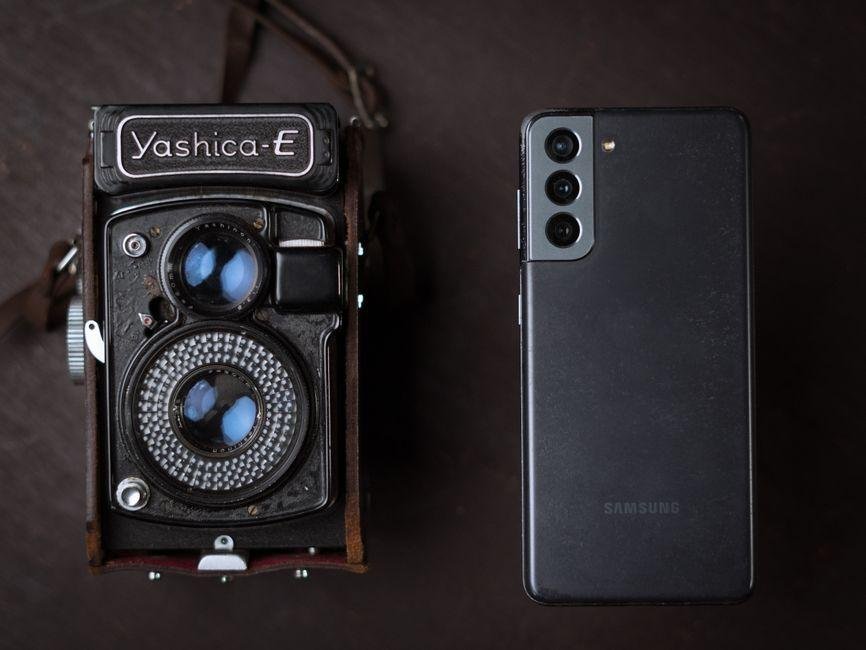
Image processing styles create contrasting photo results. Apple uses a 48-megapixel main sensor paired with computational software to capture realistic skin tones and soft backgrounds. Video clips recorded on the iPhone benefit from smooth motion stabilization and clear audio recording.
Samsung packs a 200-megapixel primary sensor alongside two separate telephoto lenses. This setup provides crisp images when zooming in on distant subjects like stage performers. Low-light photos look clean on both devices, though Samsung brightens dark corners slightly more than Apple.
Which Flagship Should You Buy?
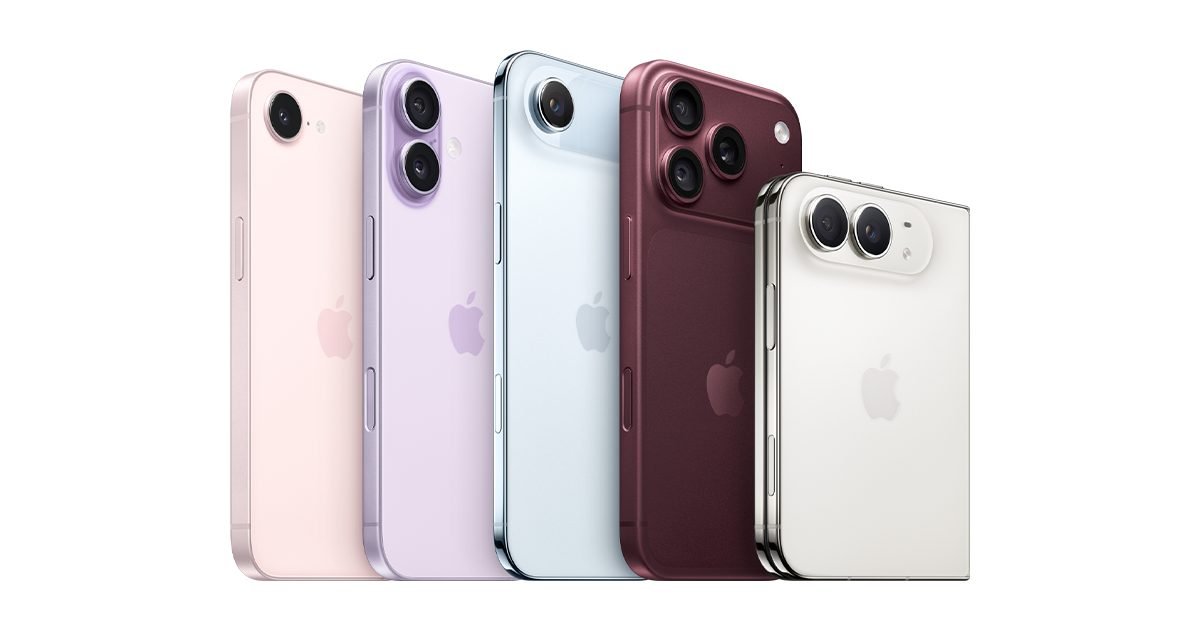
If you already own a Mac or iPad. The iPhone fits smoothly into your daily routine with instant file sharing and unified messaging. Its consistent video quality and slow battery drain make it a safe pick for long-term ownership.
If you want desktop-style productivity, the Galaxy S26 Ultra stands out. The hidden S Pen lets you write notes on the lock screen. While desktop mode allows you to plug the phone into a monitor to run full windows.
Pros and Cons
Looking at daily ownership trade-offs helps narrow down which device fits your routine best.
Apple iPhone 18 Pro Max Pros:
- Ecosystem integration: Wireless sharing connects quickly with computer gear without technical setup.
- Strong resale value: Holds trade-in value longer to lower your cost during future upgrades.
- Accessory selection: Magnetic cases, battery packs, and wallets snap on easily.
- Rigid customization: Limits layout choices and default program options on the home screen.
- File system boundaries: Moving raw video folders to Windows laptops takes extra effort.
Samsung Galaxy S26 Ultra Pros:
- Built-in stylus utility: Hidden pen lets you sign forms, draw sketches, or trigger the camera shutter.
- Multitasking power: Splitting the display runs two active programs side by side smoothly.
- Outdoor visibility: Anti-reflective glass maintains clarity under bright midday sun.
- Complex settings: Long menu lists make locating deep controls slightly confusing.
- Faster value drop: Trade-in estimates fall faster during the first year of ownership.
Frequently Asked Questions
Which phone costs more between the flagship iPhone and Galaxy?
Apple lists the iPhone 18 Pro Max at $1,199, while Samsung asks $1,299 for the S26 Ultra as of September 20, 2026. Trade-in promotions often lower these numbers. Confirm current pricing on the manufacturer’s site to find active sales.
Final Verdict: Which Flagship Should You Buy?
Having used both side by side. I found that the better choice depends on your daily routine rather than hardware specs. Selecting between these top smartphones comes down to how much control you want over software settings and which ecosystem you use most.
Pick the iPhone 18 Pro Max if:
- You rely on Apple hardware: Instant syncing with computers keeps your routine smooth.
- Video creation matters: Reliable stabilization makes social media clips look great instantly.
- You want simple upkeep: Straightforward menus and high trade-in returns ensure low stress.
Pick the Samsung Galaxy S26 Ultra if:
- You need versatile tools: The S Pen and screen splitting turn your phone into a portable workspace.
- You photograph distant subjects: Flexible lenses keep faraway shots crisp and detailed.
- You enjoy customization: Deep Android settings let you tailor icon layouts and gesture shortcuts.
Retail figures begin near $1,199 for Apple and $1,299 for Samsung as of September 20. 2026. Confirm current pricing on the manufacturer’s site before making your decision.