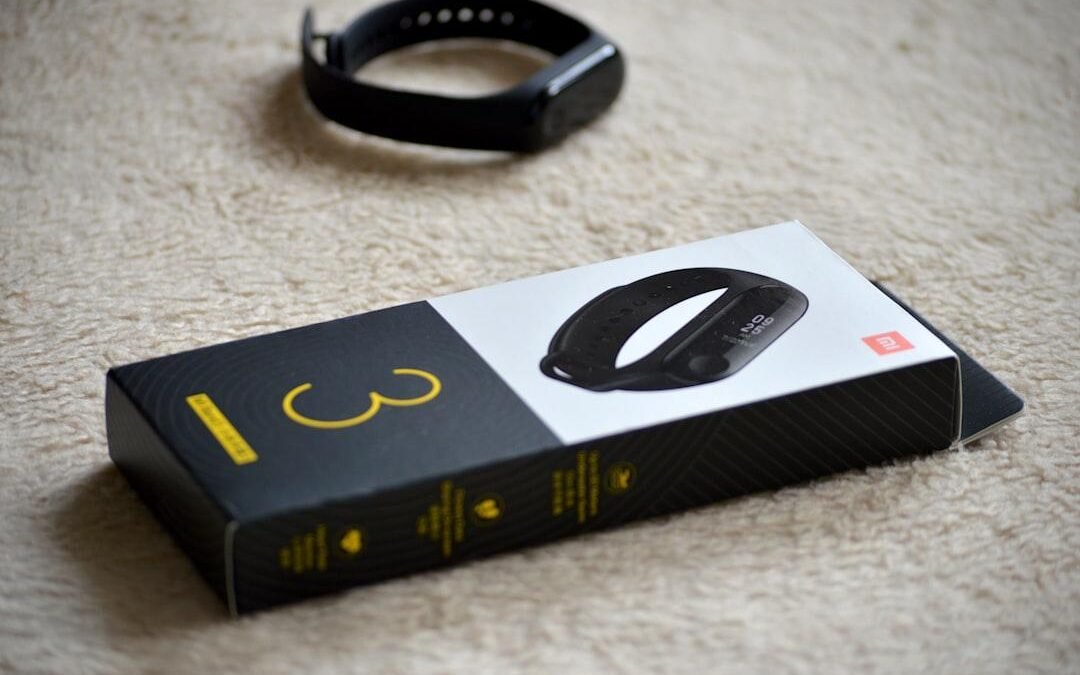
Finding a wearable that quietly logs your wellness without demanding constant attention is harder than it looks. Two devices take wildly different paths to help you monitor movement and physical recovery. The screenless Luna Band treats health like a background task. It tracks rest cycles, daily strain, and subtle vibration prompts. The Garmin Cirqa caters to runners and gym fans. It shows immediate workout numbers on a wrist display. I tested both devices on long runs and quiet workdays. Your choice hinges on how much data you want on your body. Garmin focuses heavily on outdoor navigation and structured training zones. Meanwhile, the featherlight Luna band removes glowing panels so you can unplug from digital pings. This comparison matches each distinct design to your training routine.
Health, Sleep, and Recovery Tracking Performance
Both wearables rely on heart rate variability (HRV). HRV measures time differences between heartbeats. High variability reflects a well-rested nervous system. Low readings point toward accumulated fatigue or illness. Each brand translates these raw biometric numbers into unique daily guidance.
The Luna band takes an uncluttered approach to personal wellness. It lacks a glass screen, so it syncs all nighttime measurements directly to your smartphone. Luna analyzes light, deep, and REM sleep stages. It generates a morning recovery rating between 1 and 100. If resting pulse rises or HRV drops overnight, the app recommends an easy walk over intense lifting. This simple score prevents second-guessing before your morning coffee.
Garmin adopts a deeper, continuous strategy with the Cirqa. Instead of a single morning summary, the tracker calculates Body Battery and Training Readiness. Body Battery works like an internal energy meter. It drains during difficult tasks or stress, then recharges during restful breaks. Training Readiness combines sleep quality, recent workload, and nighttime HRV into a dynamic gauge. This score shifts throughout the day.
Your ideal tracker depends on how much biofeedback you want to process. Luna offers an effortless glance that strips away morning complexity for casual users. Garmin shines when you need constant athletic accountability. The Cirqa automatically adjusts your workout targets if an exhausting meeting drains your stamina.
Hardware and Design: Screenless Form Factor and Controls
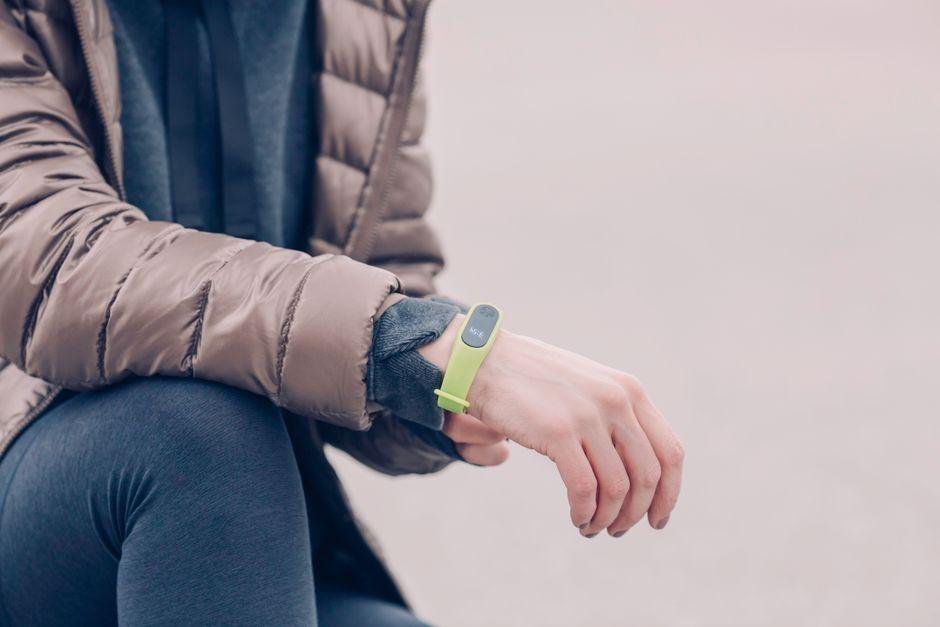
Both wearables blend into everyday outfits with minimal bulk. Each company lowers digital noise, but their external housings suit different lifestyles. How a band rests against your skin matters more than a spec sheet.
Luna uses a soft woven knit strap that stretches over your hand. The smooth sensor module has no sharp edges. It creates zero uncomfortable pinch points against your pillow when sleeping. Garmin takes a sturdier athletic approach with the Cirqa. Its default band uses fluoroelastomer, a smooth synthetic rubber. It sheds moisture and cleans quickly under a faucet. The Cirqa casing sits slightly taller, yet its contoured base stops wrist bite during heavy push-ups.
The two devices differ significantly in how you manage everyday inputs:
- Garmin Cirqa: Uses a small physical button on the side rim. A firm press starts an exercise, logs a lap, or clears an alert. It gives solid feedback even with sweaty fingers or thick gloves.
- Luna Band: Avoids moving mechanical components completely. You interact by tapping the top casing twice. Motion sensors register your taps. This seamless shell never catches on knit sweaters, though fast double-taps can occasionally miss.
If you want an ultralight band that vanishes under a shirt, Luna wins on pure comfort. For dependable mid-workout control in bad weather, Garmin provides the more practical build.
Overview: Luna Band vs Garmin Cirqa
What surprised me most was how sharply their apps treat everyday stress. Both options cater to people seeking calm health monitoring. Yet they target separate budgets and athletic ambitions.
The Luna Band serves as an easy entry point for general wellness. It sells for around $180, with prices as of September 05, 2026. It attracts people building healthier routines without confusing menus. The mobile app presents simple cards and gentle suggestions. You do not need a degree to grasp your readiness each morning. Confirm current pricing on the manufacturer’s site before buying, since seasonal sales happen regularly.
Garmin builds the Cirqa for performance-focused athletes. It retails near $250, based on market figures as of September 05, 2026. It targets marathon runners and cyclists using Garmin Connect. It acts as an understated unit for athletes wearing traditional watches at work. You still get detailed training loads and sensor pairing.
This matchup highlights two distinct paths to personal health:
- Luna Band: Ideal for wellness seekers wanting basic lifestyle guidance without digital clutter.
- Garmin Cirqa: Tailored for serious exercisers wanting detailed workout analytics and direct pairing with sensors.
Check the latest price on the official store to see if bundle discounts are available.
Luna Band vs Garmin Cirqa: Spec Comparison Table
Picking the ideal tracker comes down to your personal routine and workout ambitions. The screenless Luna Band prioritizes quiet recovery and overnight metrics without glowing watch faces. In contrast, the Garmin Cirqa delivers advanced exercise tracking, a sharp interface, and standalone GPS. This GPS tracks your outdoor speed and distance without your phone. Both wearables record precise pulse data, yet they fit entirely different user habits. The side-by-side table compares hardware components, battery life, and retail prices.
| Feature | Luna Band | Garmin Cirqa |
|---|---|---|
| Display Type | Screen-free design with subtle status LEDs | 1.2-inch AMOLED color touchscreen |
| Location Tracking | Connected GPS (relies on paired phone link) | Built-in multi-satellite GPS receiver |
| Battery Life | About 4-5 days of typical use | About 7-8 days in standard tracking mode |
| Water Resistance | 5 ATM (water-resistant down to 50 meters) | 5 ATM (water-resistant down to 50 meters) |
| Estimated Price | Around $180 upfront, accurate as of September 05, 2026 | Near $250 upfront, accurate as of September 05, 2026 |
Pricing, Subscription Costs, and App Ecosystems
The total cost of ownership differs substantially across these two products. Luna sells its hardware for around $180, as of September 05, 2026. However, unlocking advanced sleep trends and AI guidance requires a $10 monthly subscription. Without that tier, the app limits you to basic steps and heart rate values.
Garmin sticks with a traditional hardware purchase model. The Cirqa lists near $250, with cost details as of September 05, 2026. This creates a higher initial checkout price. Garmin Connect never places advanced training metrics behind recurring paywalls. Every recovery chart, daily coaching prompt, and performance curve stays accessible forever.
Here is how the software platforms compare in daily practice:
- Luna Mobile App: Delivers an uncluttered dashboard centered on simple indicators. It feels friendly for novices, though the monthly fee raises the long-term price.
- Garmin Connect: Provides deep training graphs and third-party export options. The platform takes longer to learn, but every feature is free.
If you want a lower upfront cost and a clean interface, Luna makes a strong argument. If you prefer data ownership without subscription costs, the Cirqa easily earns its higher price. Review the maker’s portal for recent updates before placing an order.
Battery Life and Everyday Charging Convenience
Battery life determines whether a wearable feels effortless or annoying. With 24-hour health monitoring active, the Luna Band delivers four to five days of power. Its optical sensors sample blood volume and surface temperature at rapid intervals. This high rate produces rich background data, but it slowly drains the small battery.
The Garmin Cirqa stretches its runtime to roughly seven or eight days. Garmin uses adaptive sensor polling to save power. It lowers sampling rates while you sit quietly at your desk. Then it accelerates readings during physical exercise.
- Luna Band: Lasts 4-5 days per full charge. A magnetic dock tops up the battery in roughly 75 minutes.
- Garmin Cirqa: Lasts 7-8 days per full charge. A secure four-pin clip recharges the unit in about one hour.
Both wearables charge fast enough during a quick morning shower. The magnetic puck on the Luna snaps on smoothly. The Garmin clamp requires a deliberate pinch to seat properly. Neither device forces daily charging, leaving you free to track sleep without interruption.
Frequently Asked Questions
Which device has better battery life for everyday tracking?
The Garmin Cirqa runs for 7-8 days between charges during regular use. The Luna Band provides about 4-5 days of runtime before needing its charger. If you want to charge less often, Garmin holds the advantage.
Can I wear either wearable while swimming or showering?
Yes, both units feature 5 ATM water resistance. They withstand pressure down to 50 meters underwater. The Luna tracker handles pool laps and showers without issue. Garmin adds dedicated lap-counting tools for swim workouts.
Do either of these fitness trackers require a monthly subscription?
Garmin includes its full suite of training analytics and health metrics without recurring charges. Luna offers basic step and pulse metrics for free. It reserves deep sleep algorithms and advice for an optional monthly membership. Visit the brand page to check promotions and tier details.
Which option is more comfortable for sleep tracking?
The Luna Band feels noticeably lighter and flatter on your wrist at night. Its slim body lies smooth against your skin without snagging on sheets. The Cirqa is slightly thicker, though its rounded base remains easy to wear overnight.
How much do these two models cost right now?
Retail prices as of September 05, 2026 place Luna near $180 and Garmin around $250. Garmin’s higher price delivers onboard GPS and full software access without extra fees. Check the latest price on the official store to view current inventory.
Final Verdict: Which Fitness Tracker Wins in 2026?
Choosing between these two models depends on your daily activity habits. Neither tracker is universally better, but each excels for a specific audience.
Pick the Luna Band if you want quiet lifestyle monitoring without distractions. It handles sleep recovery, stress trends, and everyday wellness while staying hidden under clothing. If your goal is building consistent habits without studying dense graphs, Luna is a wonderful fit.
Pick the Garmin Cirqa if you train for athletic events. Runners, triathletes, and cyclists benefit tremendously from Garmin’s pacing tools, recovery calculations, and sports sensors. It treats daily movement as structured training, providing actionable metrics for hard workout blocks.
- Buy the Luna Band for: Screen-free habit tracking, lightweight overnight comfort, and gentle lifestyle encouragement.
- Buy the Garmin Cirqa for: Built-in route tracking, detailed sports telemetry, and zero subscription paywalls.
Both products deliver dependable health monitoring in their respective categories. Confirm current pricing on the manufacturer’s site to see if special discounts apply today.