
Testing a new smartwatch always brings a mix of excitement and skepticism. The Samsung Galaxy Watch 9 arrived on my wrist this week, promising a faster processor, a brighter screen, and more advanced health tools. While the classic circular design looks very familiar, the real changes live inside the software and sensors. I put this 2026 wearable through daily workouts, sleep tracking, and battery drain tests to see how it holds up. For many shoppers, the big question is whether this model does enough to earn your hard-earned money. If you already own a recent smartwatch, the answer might surprise you. Let us explore how the hardware performs in the real world to see if this wearable is a worthy upgrade for your daily routine.
Samsung Galaxy Watch 9 Overview: First Impressions
Smartwatches have evolved from luxury toys into essential health companions. The new Samsung Galaxy Watch 9 enters a highly competitive market, aiming to be the ultimate companion for Android users. It targets people who want a reliable daily helper that handles notifications and fitness tracking without constantly dying. The first thing you notice is how snappy the interface feels compared to older watches. It responds instantly to every swipe and tap. Whether you are tracking a morning run, replying to text messages, or monitoring your heart rate, a modern wearable needs to fit seamlessly into your life. The Watch 9 aims to do exactly that by focusing on internal speed and efficiency. By upgrading the internal processor and streamlining how the sensors connect with the software, Samsung has built a highly responsive tool. This means you spend less time waiting for apps to load and more time staying active throughout the day.
Under the hood, Samsung has refined the rear sensor array so it sits flatter against your arm. This design tweak ensures more accurate readings during workouts. The screen uses a premium AMOLED display, which is a display technology that makes colors pop and saves battery by turning off black pixels. This model typically starts around $300 as of September 01, 2026. This competitive price puts it in direct competition with other flagship wearables that dominate the market. To find the best current deals, you should check the latest price on the official store.
Design and Display Upgrades
Compared to older models, the watch feels lighter and more comfortable for all-day wear. Samsung chose a refined armor aluminum frame featuring a clean matte finish that looks very modern. This surface resists ugly fingerprint smudges and oily marks. The screen is covered by sapphire crystal, which is a highly scratch-resistant glass. During testing, the screen survived an accidental bump against a brick wall without showing a single mark.
A key highlight is the digital bezel around the screen. You slide your finger along the outer edge of the glass to scroll through menus. Samsung also improved the haptic feedback, which refers to the tiny vibrations that mimic a physical dial on traditional watches. The vibrations feel incredibly sharp and precise, making navigation feel very natural. It is a fantastic alternative to a bulky physical ring.
The screen brightness is another massive leap forward. The display now reaches a peak of 3,000 nits, which is a standard unit used to measure screen brightness. Reading text messages under direct, harsh sunlight is effortless. Colors remain deep and rich without washing out even in direct glare. Samsung also improved the always-on mode to use less power when you are not actively looking at the screen. It comes in 40mm and 44mm sizes to fit different wrist shapes perfectly.
Advanced Health Monitoring and AI Fitness Features
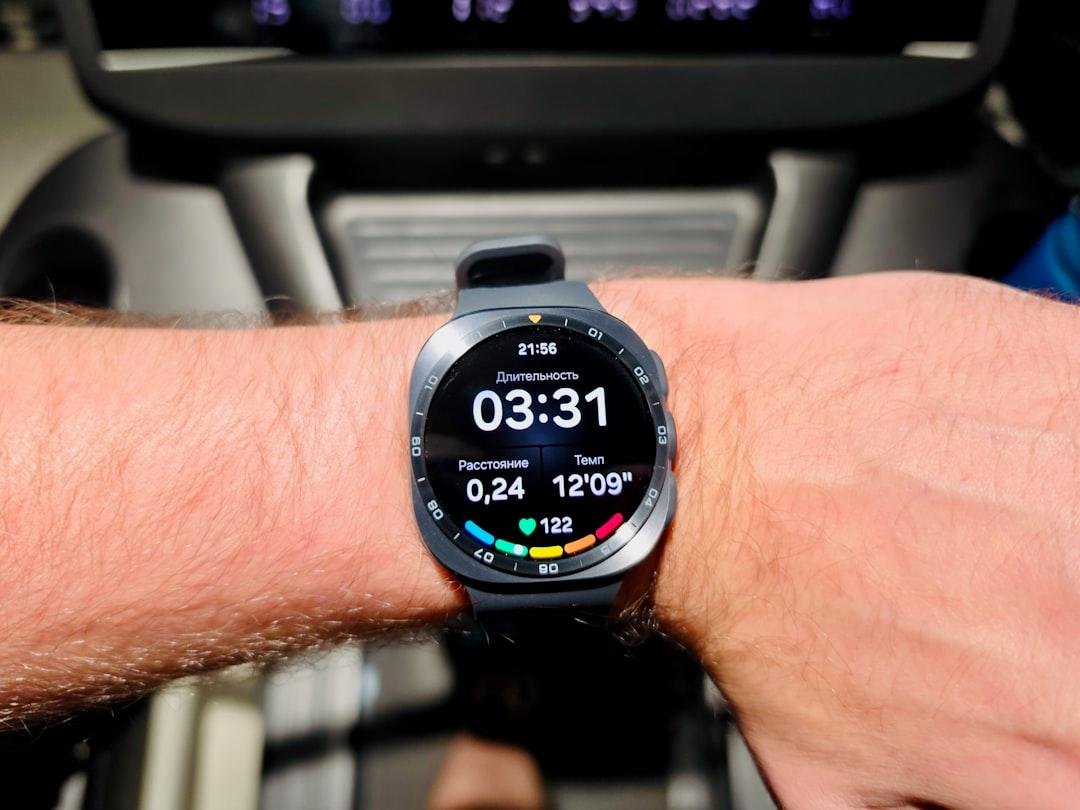
The real power of this wearable lies in its health tracking. Samsung packed the device with a new BioActive sensor. This single hardware chip combines three distinct sensors to measure your heart rate, blood oxygen levels, and body composition. Having these tools in one place helps the watch build a much more complete picture of your physical state.
Sleep tracking is where the software really shines. The watch monitors your skin temperature and breathing patterns overnight to look for signs of sleep apnea, which is a medical condition where your breathing repeatedly stops during sleep. This feature has cleared official regulatory hurdles for consumer health tracking. You get a clear, easy-to-read breakdown of your sleep stages every morning.
There is also an AI-powered fitness coach built directly into the system. This coach looks at your activity levels, sleep history, and resting heart rate to give you an energy score each morning. If your score is low, the watch will gently suggest a light walk instead of a strenuous run. You also get access to a BIA sensor, which stands for bioelectrical impedance analysis, a tool that measures your body fat and muscle mass. These deep insights help you make smarter decisions about your daily routine.
Battery Life, Charging Speeds, and Performance
Daily performance is incredibly fluid. The watch runs on a new 3-nanometer processor, which refers to the tiny size of the transistors on the microchip. Smaller transistors allow the chip to run much faster while consuming less electricity. Navigating through Wear OS, the Google-backed software that powers the watch, feels as quick as using a premium smartphone. Apps open instantly, and there is no stuttering when you scroll through long notification lists.
Battery endurance is respectable, though it will not break any industry records. The standard model easily lasts around 30 hours of typical use with the always-on display active. If you turn off this feature, the battery can keep going for up to 40 hours. This lets you track sleep without worrying about a dead watch in the morning.
When you do need to charge, the device supports fast wireless charging. This is a cable-free power transfer method that uses magnetic contact on the back of the watch. A quick 35-minute charge gets the battery back up to 50 percent. A full charge takes slightly over an hour. You must use the bundled magnetic puck, as the watch is highly sensitive to generic third-party wireless chargers.
Samsung Galaxy Watch 9 Pros and Cons
Looking at the device as a whole, there are clear benefits and trade-offs to consider before buying. Every smartwatch involves some compromise, and this release is no exception. By analyzing how you plan to use the device, you can easily determine if the benefits outweigh the minor limitations.
The Pros:
- The vibration motor provides incredibly precise taps that feel sharp rather than mushy.
- The built-in speaker is loud and clear enough for quick outdoor phone calls.
- The interface is fast and completely free of annoying lag.
- The Google app store offers an endless selection of helpful third-party tools.
The Cons:
- Several advanced wellness features only work if you pair the watch with a Samsung phone.
- Heavy GPS tracking during outdoor runs means you must charge the device daily.
- Charging is slow and picky when using non-Samsung wireless pads.
Weighing these points will help you decide if the investment makes sense. While the watch represents a premium investment, its true value depends on your smartphone brand. This ensures you do not overspend on features you might not even use. To see if any deals are active, you can confirm current pricing on the manufacturer’s site.
Samsung Galaxy Watch 9 Specs and Comparison
Comparing the new model to its closest family members helps clarify where your money goes. While older versions offer similar looks, the internal hardware differences are quite stark. Selecting the right model comes down to prioritizing newer sensors over a cheaper price tag.
| Model | Screen Size | Battery Life | Key Feature | Typical Price |
|---|---|---|---|---|
| Galaxy Watch 9 | 1.3 inches | 30 hours | Sleep Apnea Detection | Around $300 |
| Galaxy Watch 8 | 1.3 inches | 24 hours | Temperature Sensor | Around $220 |
| Galaxy Watch Ultra | 1.5 inches | 60 hours | Titanium Frame | Around $650 |
All listed prices are approximate, with prices as of September 01, 2026.
Choosing between these models depends on your daily habits. Runners who spend hours outside using GPS might prefer the larger battery of the Ultra, while casual users will find the standard model more than sufficient. Keep your personal routine in mind when comparing the hardware specs. It provides almost all of the critical health features without the bulky design of the premium sport edition.
Verdict: Should You Buy the Galaxy Watch 9 in 2026?
What surprised me most was how much I ended up relying on the daily health scores to plan my workouts. The Galaxy Watch 9 is a stellar wearable, but it represents a careful evolution rather than a complete redesign. If your current smartwatch is three years old, upgrading will feel like a massive leap forward in screen quality and speed. However, if you already own last year’s model, the minor performance boost does not justify the extra cost.
Keep in mind that this wearable only works with Android phones. Apple owners will have to look elsewhere because you cannot pair it with an iPhone at all. The base Bluetooth model typically starts near the standard launch pricing, while the LTE version costs slightly more. Confirm current pricing on the manufacturer’s site to see if active trade-in deals can lower your cost. This model is easily the most polished Android option available today.
To make the right choice, consider how much you value long-term support. Samsung has committed to multiple years of software updates for this lineup, making it a reliable investment for the future. For most Android users, this watch represents a safe, highly capable choice that will feel fast and responsive for years to come.
Frequently Asked Questions
How long does the battery actually last on the Galaxy Watch 9?
In real-world use, you can expect the battery to last about 30 hours on a single charge with the screen set to always-on. Turning off this feature can extend the life to almost 40 hours. Heavy use of GPS tracking during outdoor runs will drain the battery faster, meaning you should plan on daily charging.
Can you use the Galaxy Watch 9 with an Apple iPhone?
No, Samsung has limited this wearable strictly to Android devices. You will get the most seamless experience by pairing it with a Galaxy phone, while iPhone users cannot sync any data at all.
Is it worth upgrading to the Galaxy Watch 9 if I currently own the Galaxy Watch 8?
For most people, the answer is no. While the newer processor runs slightly faster and the screen gets brighter, the everyday experience is very similar. Unless your current battery is worn out, your existing device is still highly capable.
What are the main health and fitness tracking upgrades on this 2026 model?
This version introduces a more accurate sensor array and official sleep apnea detection. It also uses smart algorithms to calculate a daily energy score based on your sleep quality. These tools give you a deeper understanding of your body’s recovery needs.
How much does the Samsung Galaxy Watch 9 cost?
The standard watch is priced as a premium mid-range wearable. If you want cellular connectivity, the price rises closer to a premium tier. You can check the official store to find the most accurate pricing.