If you still have an original Fitbit Flex tucked in a drawer, you remember when activity tracking was completely basic. The launch of the Fitbit Air in 2026 brings modern sensors and a colorful wrist screen, making a direct matchup feel like leaping forward a full decade. The old Flex was tiny and tough, but it relied on five glowing lights to show progress. In contrast, the new Air adds continuous heart rate tracking, deep sleep scores, and instant phone alerts right on your wrist. Usually listed around $120 as of September 16, 2026, the Air costs more than older fitness bands, but its modern health tools provide a massive upgrade for daily routines. Still, true minimalists might prefer a simple band that never buzzes or flashes in dark rooms. Deciding between them comes down to whether you want rich daily data or simple step totals.
Key Upgrades: Health Sensors, Tracking, and Smart Features
The sensor gap between these two trackers is huge. The original Flex uses a basic motion sensor that only counts steps. The 2026 Fitbit Air uses optical sensors that record your heart rate continuously every second. It also checks SpO2, which measures blood oxygen saturation to help spot breathing shifts while you rest.
Sleep tracking shows another major split. The classic Flex guessed sleep times based on movement alone. The new Air looks at heart rate changes to split your night into light, deep, and REM sleep stages. You also get Active Zone Minutes, which gives you extra credit when your pulse rises during brisk walks or intense workouts.
- Fitbit Flex: Tracks total steps, distance, calories, and raw sleep time through five white lights.
- Fitbit Air (2026): Features 24/7 pulse monitoring, blood oxygen readings, stress tracking, text alerts, and automatic exercise detection.
Having tested both devices during morning workouts, I found that automatic exercise tracking removes all the guesswork from logging daily movement. The extra sensors on the 2026 model give you a rich look at your physical health, though they also mean more stats to sort through. If you prefer a simple tool that quietly tallies steps, the older design still has real appeal. But for deeper health tracking, these hardware upgrades make a strong case for modern gear.
Who Should Upgrade from the Legacy Fitbit Flex?
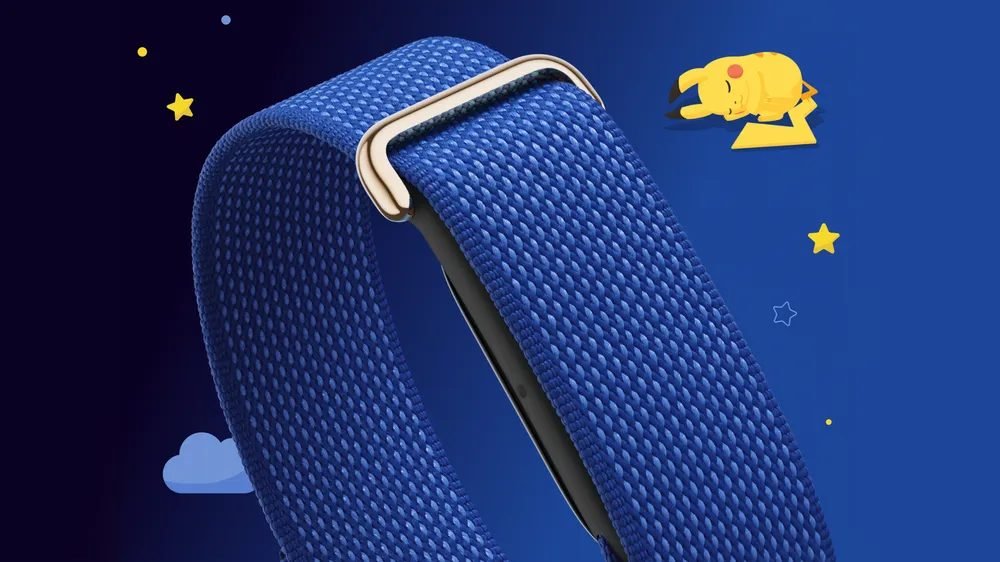
Many people still love the screenless design of the original Fitbit Flex. If you only care about baseline movement and want a strap that never interrupts your day with phone alerts, holding onto your legacy tracker makes sense. That older model has no glass on the top, which makes it durable during yard work or heavy lifting. However, keeping that legacy band running in 2026 is getting harder due to worn-out batteries and hard-to-find charging cables.
Upgrading to the Fitbit Air makes sense if your workout routine includes swimming, cycling, or gym training. While the old band needed physical taps to begin tracking, the 2026 Air detects exercise types automatically. You do trade away some distraction-free living because the Air features a bright color display. That screen displays quick stats while walking, but it adds light to your wrist that minimalists might dislike.
- Stick with the Flex if: You want a pure screenless strap, dislike bright displays, and only care about daily step counts.
- Upgrade to the Air if: You need seamless app syncing, live heart stats, and reliable water resistance for pool swims.
Choosing between them comes down to how much technology you want on your arm. The Air remains slim and comfortable, so it will not disrupt sleep or daily work. Check the latest price on the official store if you decide your old band needs a replacement.
Fitbit Air 2026 vs. Fitbit Flex: An Overview
The original Fitbit Flex debuted over ten years ago as a pioneer in wearable tech, relying on five small lights to indicate daily goals. In contrast, the Fitbit Air released in 2026 shows how far materials, batteries, and hardware have come. The classic Flex feels like a removable plastic pebble inside a soft rubber band. The newer Air integrates curved metal and smooth glass into a clean, single-piece profile.
This matchup highlights key trade-offs between two completely different design eras:
- Fitbit Flex (Legacy): Built for distraction-free tracking. It offers zero display glare, no vibration alerts, and a lightweight rubber body. The primary downside is needing your phone app whenever you want to check the actual time or view step totals.
- Fitbit Air (2026): Displays live health metrics on a vivid touch screen that sits flat against the strap. It adds smooth tap controls, full water protection, and a sleek modern look. The main trade-off is a higher price and occasional screen notifications.
Wearable designs have clearly shifted from quiet background step counters into active daily assistants. Standard street pricing for the newer model sits near $120 as of September 16, 2026. Confirm current pricing on the manufacturer’s site to see active deals.
Design and Display: Modern Screen vs. Screenless Simplicity
The physical difference between these two wearables comes down to instant feedback versus discrete wear. The original Flex uses a small removable module hidden inside a flexible band. Its entire interface relies on five LED lights. Tapping the band reveals step progress in 20 percent jumps, meaning you never deal with screen glare, accidental touch inputs, or bright lights in dark rooms.
The 2026 Fitbit Air changes this design by introducing an AMOLED panel, which stands for active-matrix organic light-emitting diode display. This panel tech provides deep blacks and vivid colors while saving battery life. The bright screen lets you swipe through health metrics and simple menus directly on your wrist. Even with full color output, the Air stays thin and light, making it comfortable during quick runs or overnight sleep.
When weighing your design preferences, consider these real-world trade-offs:
- Fitbit Flex: Uses a screenless silicone design with five simple indicator lights, offering total privacy and zero distractions.
- Fitbit Air (2026): Features a color touchscreen enclosed in aluminum and glass for fast visual updates.
- Usability comparison: Flex works best if you want a subtle band that blends in, while the Air gives instant stats without forcing you to open your smartphone.
Battery Life and Charging Performance Compared
Battery performance shows a major leap in wearable engineering. The older Fitbit Flex built its reputation on basic power efficiency. Because it lacked a full screen and pulse tracking, its tiny battery could run for five days straight. However, charging meant popping the tracker module completely out of the wristband and snapping it into a short custom cradle.
The new Fitbit Air 2026 delivers impressive stamina while powering a bright screen and continuous body sensors. Smart power tuning allows the Air to last six to seven days on a single charge under typical use. You get vastly more features without losing weekly runtime. Charging updates also make regular power top-ups much easier.
Here is how the charging setups and battery specs compare:
- Fitbit Flex: Provides roughly 4-5 days of runtime. It relies on a special USB dock that forces you to remove the plastic tracker from its strap every time. Full charging takes about three hours.
- Fitbit Air (2026): Provides roughly 6-7 days of runtime. It uses a magnetic cable that attaches directly to the back without removing straps. A quick 30-minute charge gives a full day of power, while a full charge takes roughly 75 minutes.
While the classic Flex held its own for basic step counting, the Fitbit Air offers greater power efficiency and much faster recharges for busy daily routines.
Fitbit Air vs. Flex: Full Specs Comparison Table
If you still have an original Fitbit Flex sitting in a drawer, you probably remember its five indicator lights and plain rubber band. That legacy model focused strictly on steps and simple sleep duration. By comparison, the Fitbit Air released in 2026 reflects modern smartwatch standards. It includes a color touchscreen along with continuous heart rate monitoring that tracks your pulse day and night.
The first thing you notice when wearing the Air is how much actionable data sits right on your wrist without adding heavy bulk. The old Flex required constant phone syncs just to check basic numbers. Modern additions like USB-C charging, a universal reversible cable standard, make power top-ups quick and painless. The Fitbit Air typically sells around $120 as of September 16, 2026. Confirm current pricing on the manufacturer’s site before ordering. While a working Flex handles basic step counting, the Air delivers a complete picture of your heart trends, workouts, and sleep quality.
| Feature | Fitbit Flex | Fitbit Air (2026) |
|---|---|---|
| Display Type | 5 white LED lights | Color AMOLED touchscreen |
| Heart Rate Sensor | No sensor included | Continuous 24/7 pulse tracking |
| Battery Life & Charging | 5 days (custom dock) | 7 days (USB-C magnetic charging) |
| Smart Features | None | Call, text, and app notifications |
| Estimated Price | Discontinued | Around $120 as of September 16, 2026 |
Pros and Cons of Upgrading to the Fitbit Air
Upgrading to a modern health tracker brings genuine convenience, but it also creates new trade-offs in cost and daily interaction. Moving from an older band to the Fitbit Air provides powerful health monitoring, but it requires a larger upfront investment and more screen time.
The Pros:
- Modern app support: The 2026 Air syncs smoothly with current smartphone software and receives regular performance patches.
- Daily wrist convenience: Seeing your heart trends, timer tools, and quick phone alerts in one spot keeps you from constantly pulling out your phone.
- Long-term cloud reliability: Newer Fitbit devices benefit from continuous background backups and continuous fitness features.
The Cons:
- Higher price point: The Fitbit Air is listed around $120 as of September 16, 2026, which is a real commitment compared to simple step bands. Confirm current pricing on the official store before buying.
- Mandatory Google setup: Setting up new Fitbit hardware requires a Google account, which might frustrate users who want simple stand-alone logins.
- More digital distractions: Regular wrist buzzes, daily score pop-ups, and deeper menus can feel busy if you only want quiet step logging.
If you want a distraction-free tool that quietly records movement, the Flex still has charm. But if you want modern health tracking backed by ongoing software support, upgrading to the Air makes strong sense.
Frequently Asked Questions
Is the screen on the Fitbit Air worth upgrading to from the screenless Flex?
The Fitbit Air features a bright color display for real-time stats and call alerts, whereas the original Flex relies solely on five small lights. Having a visible screen lets you check heart rate and step totals without pulling out your phone. However, if you prefer a subtle wristband that never glows in dark spaces, the basic Flex remains a quiet choice.
How does battery life compare between the two fitness bands?
The original Flex runs for about five days on one charge because it lacks a bright display. The 2026 Air delivers roughly 6-7 days of runtime while driving a crisp screen and continuous pulse sensors. While both require weekly charging, the newer model recharges much faster through a convenient magnetic cable.
Can both of these devices be worn while swimming?
The Fitbit Air provides water resistance down to 50 meters, letting you track pool laps or wear it in the shower safely. In contrast, the legacy Flex is only splash-resistant, meaning rain is fine, but swimming can damage it. Swimmers will clearly benefit from the updated water protection on the newer model.
Does the Fitbit Air offer better health tracking features than the Fitbit Flex?
The Air introduces continuous heart rate monitoring and deep sleep stages that the older model completely lacks. The original Flex only used basic movement to estimate how long you slept each night. Upgrading gives you far more accurate health metrics, including blood oxygen monitoring and daily stress scores.
What is the cost comparison between these two options?
The Fitbit Air typically sells around $120 as of September 16, 2026, while used Flex units sell second-hand for under $30. That extra investment delivers continuous heart tracking, full exercise metrics, and phone alerts that a basic step counter cannot match. Confirm current pricing on the manufacturer’s site before deciding which option fits your budget.
Final Verdict: Should You Buy the Fitbit Air in 2026?
Activity trackers have changed drastically over the past decade. If you still wear a Fitbit Flex, moving to the Fitbit Air in 2026 is a major leap forward rather than a tiny step. You trade a simple rubber band for active body sensors, crisp visuals, and modern phone connectivity.
Your choice ultimately depends on what you want on your wrist. The classic Flex remains a neat option for minimalists who dislike wrist displays and smartphone alerts. If your primary goal is silent step counting without visual distractions, keeping your original tracker still works.
For most shoppers, the Fitbit Air easily earns its spot on your arm. It delivers deep health insight without feeling heavy or complicated during daily wear. The Fitbit Air typically sells around $120 as of September 16, 2026, making it a well-rounded value for modern hardware.
Here is balanced guidance on this comparison:
- Buy the Fitbit Air: Choose this model if you want active pulse tracking, detailed sleep insights, and simple phone alerts in a lightweight design.
- Keep your Fitbit Flex: Stick with your legacy tracker if you only care about simple step counts and want a band that never buzzes or glows.
If you are ready to update your fitness routine, check the latest price on the official store to find current offers.