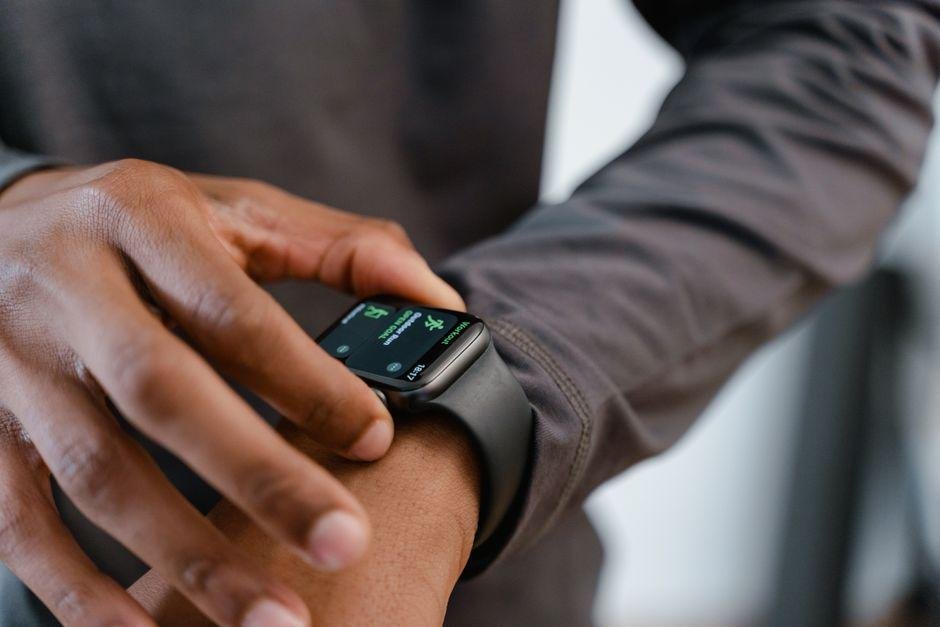
Take your smartwatch calorie numbers with a grain of salt. These wrist devices track your movement and heart rate all day. But they use math formulas, not direct heat measurements, to calculate energy. Your age, weight, and stress levels change your real calorie burn. Even costly models can miss your real burn by 20 percent during hard workouts. They work much better during steady cardio, like outdoor walks or treadmill runs. Knowing how they estimate burn helps you make better fitness choices. Use this data to see long-term trends, not to plan your strict daily diet.
Understanding How Smartwatches Estimate Calorie Burn
I have tracked hundreds of workouts. I noticed that tiny sensor delays can skew your final numbers. Smartwatches never measure burned heat energy directly. Instead, they rely on math formulas to estimate your daily energy burn.
That math process begins with your personal profile. When setting up your wearable, you input your age, sex, height, and weight. The software uses these stats to calculate your Basal Metabolic Rate, or BMR. BMR is the baseline energy your body burns just to stay alive.
To record active movement, wrist devices depend on two key hardware components:
- Accelerometers: These motion sensors detect changes in speed and direction. They tell if you sit, walk, or run.
- Optical PPG sensors: PPG uses tiny lights on your skin to track blood flow. This measures your heart rate.
Internal software merges your resting BMR, movement speed, and pulse data. This creates a single estimate. High heart rates and fast arm swings signal hard work. This prompts the system to show a higher burn.
Smartwatch Calorie Accuracy: What the Science Says
Clinical studies show wide variation in how accurately wearables estimate energy burn. Stanford University researchers compared popular wrist devices to medical-grade equipment. They found that no consumer tracker was highly accurate across every daily activity. Average error rates ranged from 20 to 50 percent. Errors spiked during strength training.
Continuous, predictable movements yield the cleanest data. Algorithms track steady physical activity much better than quick pauses or heavy lifting. When your arms swing steadily, optical sensors capture your pulse with fewer errors.
Laboratory findings highlight accuracy differences across common activities:
- Walking and running: Jogs and treadmill runs have the best accuracy. They stay within 15-25% of clinical lab tests.
- Cycling and rowing: Machine resistance changes your workload. This often raises software error margins to 30-40%.
- Strength training and HIIT: HIIT mixes hard efforts with quick breaks. Fast heart spikes without steady motion push errors past 50%.
- Household tasks: Activities like cooking or cleaning lack steady motion. This causes devices to misread your effort.
Science shows that wearables work best as relative progress tools, not absolute truth. Track your trends over several weeks for helpful feedback, even if daily numbers are off.
Comparing Calorie Tracking Accuracy Across Top Brands
Different wearable brands tune their software algorithms differently. Steady running gives most devices an easy baseline. But strength workouts expose software limits.
- Apple: Apple Watches are very accurate during running and cycling. During weight training, sudden wrist moves can confuse the sensors. A mid-range model costs around $399 as of September 03, 2026. Always confirm prices on their site before buying.
- Garmin: Built for athletes, Garmin watches give dependable data for long runs. They often underreport your burn during gym lifting or HIIT sessions.
- Fitbit: Fitbit trackers excel at monitoring light daily steps and walks. They respond slowly to sudden pulse spikes. This makes them less reliable for fast training.
- Samsung: Galaxy watches often report high active calorie counts. Their software adds extra calories during arm-heavy workouts.
For outdoor cardio fans, most major brands deliver reliable relative feedback. If weightlifting is your main workout, treat smartwatch estimates as rough guesses.
How Accurate Are Smartwatch Calorie Counters?
Many fitness fans check their wrist right after a workout to see their calorie score. A high total feels great, but wrist-based estimates are often wrong. On average, popular wearables miss your actual burn by 15 to 40 percent. Using these numbers to justify eating extra food can easily ruin your weight goals. Knowing why these numbers fluctuate helps you avoid diet mistakes.
Wearables perform best when tracking broad physical effort over time. A higher daily total means you moved more. Do not worry if the exact number is off. Rely on trends instead of daily totals to keep your fitness plan on track.
Smartwatch Accuracy Comparison Table
| Smartwatch Model | Best Cardio Accuracy | Estimated Calorie Error Range | Heart Rate Sensor Type | Typical Price |
|---|---|---|---|---|
| Apple Watch Series 10 | Running, Cycling, Walking | 15% to 25% off | Multi-LED Optical PPG | Around $399 (as of September 03, 2026) |
| Garmin Forerunner 265 | Long Distance Running | 15% to 20% off | Elevate V4 Optical Sensor | Around $450 (as of September 03, 2026) |
| Fitbit Charge 6 | Daily Walking, General Fitness | 20% to 30% off | Standard Optical Sensor | Around $160 (as of September 03, 2026) |
| Samsung Galaxy Watch 7 | Treadmill, Everyday Steps | 20% to 35% off | BioActive Sensor Suite | Around $300 (as of September 03, 2026) |
Garmin and Apple models are surprisingly consistent at tracking steady outdoor cardio. The Apple Watch Series 10 costs around $399 as of September 03, 2026. The Garmin Forerunner 265 sells for around $450 as of September 03, 2026. It offers great endurance features. For lower budgets, the Fitbit Charge 6 sits near $160 as of September 03, 2026. The Samsung Galaxy Watch 7 costs around $300 as of September 03, 2026. Check the latest price on the official store before making your decision. Choose a watch with good heart-rate sensors to get better data during runs.
How Smartwatches Estimate Calorie Burn
Behind the glass, smart software constantly reads your body data. The software pairs your resting baseline (BMR) with live sensor signals. As your heart rate rises during movement, the system estimates a higher burn.
Motion filters stop basic arm moves from boosting your active calorie count. For example, the system ignores minor vibrations from typing on a keyboard. But riding in a bumpy car can sometimes trigger false steps. Sometimes signals clash, like a high pulse with no movement. The software must guess which metric to trust.
Where Calorie Counters Fail in Real Life
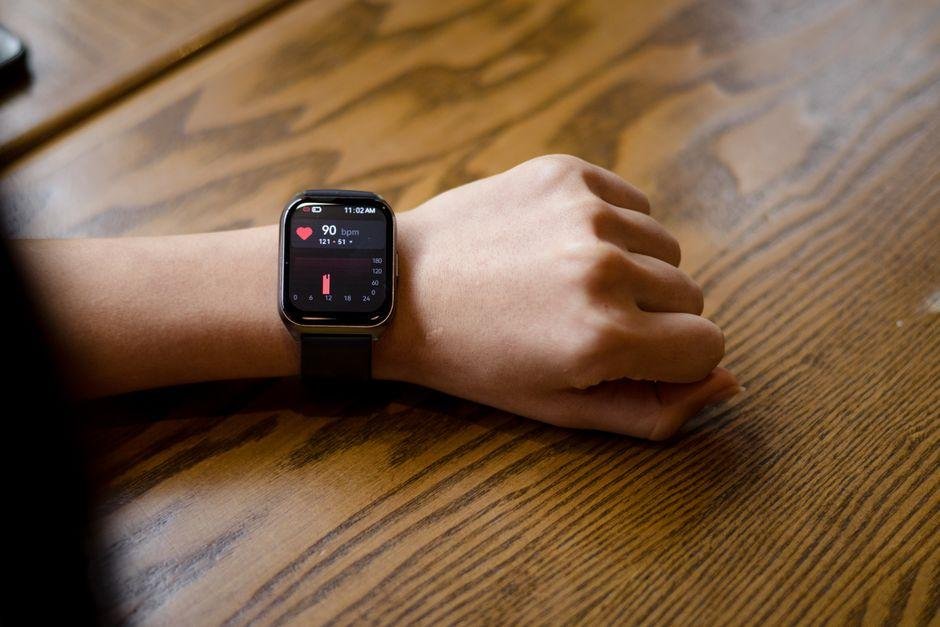
Real-world conditions frequently interfere with wrist-based tracking accuracy. Weight lifting causes rapid pulse spikes while your hands stay still on a barbell. Since sensors detect little movement, the device often undercounts your real effort.
Stress or caffeine can also raise your pulse while you sit at a desk. Your watch sees a high pulse, assumes exercise, and inflates your calories. Tattoos, thick wrist hair, or heavy sweat can block the light signals. Loose bands let outside light leak underneath. This ruins your heart rate readings. Furthermore, algorithms cannot detect body composition. Two people with the same weight can burn energy at different rates depending on muscle.
Practical Steps for Better Accuracy
You can improve your tracking accuracy by making a few quick adjustments. Update your weight in the mobile app whenever it changes. Outdated weight records mess up the math behind your daily baseline.
Proper strap placement plays a critical role in sensor accuracy. Wear the band one finger width above your wrist bone. Tighten it securely before exercising. A snug fit stops light leaks. It keeps the sensors touching your skin. Always select your specific workout profile before you start. This tells the software which math formula to use for that sport.
Factors That Affect Your Smartwatch’s Calorie Precision
Many biological and environmental factors affect how wrist devices track your calorie burn. Understanding these variables helps you troubleshoot inconsistent tracking results.
Four primary factors alter calorie precision:
- Strap tightness: A loose watch shifts during movement. This makes sensors miss sudden heart rate spikes.
- User profile data: Outdated weight or height details cause errors in the baseline math.
- Wrist motion: Daily chores like chopping food create extra arm movement. Sensors may misinterpret this as walking.
- Skin and tattoos: Dark skin, thick hair, or tattoos block light. This forces the device to guess your pulse.
Tighten your strap before workouts to block outside light. Update your body weight in the app regularly to keep baseline formulas correct.
How to Make Your Smartwatch Calorie Tracking More Accurate

Simple habit changes and extra tools can improve your tracking results. You do not need a new watch to get cleaner workout data.
- Recalibrate sensors outdoors: Walk or run outdoors for 20 minutes with GPS on. This improves accuracy for indoor treadmill runs.
- Connect a chest strap: Pair a chest strap heart monitor via Bluetooth. They measure electrical signals directly, avoiding light limits. They cost around $50-$90 as of September 03, 2026.
- Distinguish active vs total burn: Active metrics show exercise calories. Total metrics combine exercise with baseline living burn. Knowing the difference prevents double-counting.
Frequently Asked Questions
Which smartwatch is most accurate for counting calories?
Garmin and Apple models lead the market in cardio accuracy. They combine advanced sensors with smart software to track pulse changes. Check current rates on the official store before buying.
Why does my wearable show different numbers than gym equipment?
Gym machines use general averages based on speed and weight. Your watch tracks your live heart rate and movements. This makes your watch’s total much more personalized.
Do these wrist trackers overestimate energy burned during weightlifting?
Yes, trackers often overestimate calories during weight lifting. Exertion raises your pulse without the heavy breathing of running. The watch assumes high heart rates mean cardio, inflating your total.
How do I improve the precision of my daily tracking device?
Keep your age, sex, height, and weight updated in the app. Wear the strap tightly above your wrist bone for skin contact. Update your weight every few weeks.
Are cheap trackers just as good as premium models for calorie counting?
Cheap bands under $50, as of September 03, 2026, lack smart software for varied workouts. Premium watches filter movement data better. Budget bands count steps well, but premium devices manage complex workouts.
Final Verdict
Trackers work best as personal trend monitors, not precise lab tools. A good wearable gives a useful ballpark figure. However, raw numbers rarely reflect your exact physical reality. Most devices excel during steady cardio sessions like jogging or cycling. They struggle with heavy weightlifting, high-intensity intervals, and routine chores. View your watch output as a relative guide. This helps you spot trends without stressing over small errors.
To get the most value, focus on weekly progress rather than daily targets. If your active total rose this week, your overall movement increased. Use that trend to adjust your diet or workout habits.
Keep these three guidelines in mind when reviewing your workout data:
- Focus on trends: Compare weekly averages to see progress instead of worrying about daily spikes.
- Combine metrics: Pair calorie totals with step counts, active minutes, and sleep for a better health view.
- Listen to your body: Treat stats as feedback. Let your energy, hunger, and recovery guide your diet.
A capable new fitness tracker costs around $150 to $400 as of September 03, 2026. Confirm current pricing on the manufacturer’s site before making your final selection. Building a consistent exercise routine is far more important than finding a perfect calorie counter.