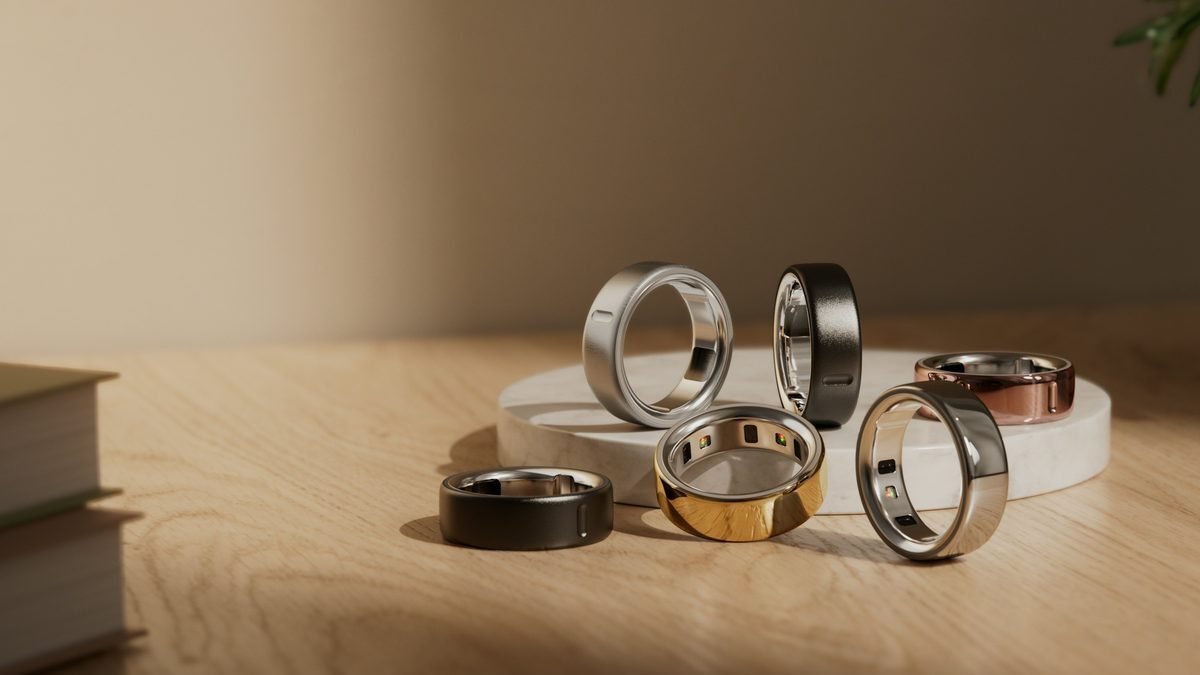
Getting restful sleep can feel impossible when an awkward tracker presses into your skin. Two minimalist wearables lead the field in 2026: the lightweight Fitbit Air and discreet Oura Ring 5. Choosing between them usually comes down to where you prefer carrying tech through the night. The Air sits flat on your arm. It shows morning stats and everyday workout metrics on a quiet display. Meanwhile, Oura packs its optical sensors inside a slick titanium ring on your finger. This dodges wrist sweat entirely while calculating clear recovery scores. Both devices excel at charting sleep patterns, yet they demand distinct physical compromises from your routine. Here is how both products compare across accuracy, daily comfort, battery stamina, and companion software.
Sensor Technology and Sleep Stage Accuracy
Each brand approaches nighttime biometrics from a totally different angle. Both rely on optical pulse sensors (PPG) that shine light into tiny blood vessels to track blood volume. The Ring 5 reads digital arteries inside your finger. In contrast, the Air tracks capillary flow across your wrist surface.
Because finger arteries run close to the surface, the Oura hardware reads pulse waveforms with exceptional clarity. Its optical sensors pair with a responsive temperature sensor. This logs nightly body heat shifts down to fractions of a degree. The ring also tracks blood oxygen saturation (SpO2), which measures the oxygen percentage in your red blood cells. When tracking light, deep, and REM sleep, Oura excels at catching brief awakenings and abrupt stage transitions.
Fitbit equips the Air with an upgraded multi-path biometric array. The company built its detection algorithms around billions of logged nights. This gives the band an edge during prolonged deep rest. The sensors track continuous SpO2 levels and skin temperature baselines. They signal when your typical trends shift due to fatigue or bedroom conditions.
- Fitbit Air: Accurately tracks extended deep sleep cycles and sustained oxygen shifts throughout the night.
- Oura Ring 5: Excels at catching rapid dream states and sensitive heart rate shifts between lighter rest phases.
Both wearables deliver dependable clinical-grade trend data for consumer wellness. If your primary goal involves charting dream stages, the ring holds an edge. The band remains equally capable for evaluating physical muscular recovery.
App Experience, Metrics, and Readiness Scores
Clean sensor hardware means little without capable software to translate the numbers. The Oura mobile app organizes your health into three clean pillars: Sleep, Activity, and Readiness. What surprised me most was how seamlessly Oura calculates your morning recovery. It blends temperature shifts with heart rate variability (HRV). HRV measures millisecond gaps between heartbeats to gauge nervous system balance. When your baseline drops, the software advises taking things easy.
Fitbit builds its app around an active lifestyle. The interface features a Daily Readiness Score that balances your physical exhaustion against recent training loads. This layout acts like a full health log. It connects nightly rest directly to daytime steps and active heart zones. Both ecosystems, however, place their most detailed analytical features behind paywalls in 2026.
- Oura Membership: Required to view historical trends and long-term sleep graphs. The subscription costs around $5.99 monthly as of October 12, 2026, or about $70 per year. Without an active membership, the app displays only basic sleep duration and simple resting pulse values.
- Fitbit Premium: Unlocks deep sleep profile trends, guided mindfulness sessions, and the readiness index. The service costs about $9.99 monthly as of October 12, 2026, or roughly $80 annually. Check the latest price on the official store to confirm current rates.
Oura offers the more relaxing presentation for strictly tracking rest habits. Fitbit appeals to users who want recovery stats tied directly to upcoming workouts.
Overview: Fitbit Air vs Oura Ring 5 Sleep Tracking
Picking between these monitors depends on how you prefer wearing sleep hardware. Both devices help you build better nightly habits, but their designs suit different needs.
Fitbit designed the Air as an ultra-slim band centered on practical utility. The strap curves flush against your forearm to avoid catching on cotton sheets. It stays ready to log trail runs or weight sessions after sunrise. It serves active users who want guidance for daytime workouts alongside quiet overnight recovery.
Oura approaches nightly health from an understated jewelry perspective. Instead of a flexible strap, you wear a smooth titanium band without screens or buzzing alerts. The ring collects health metrics silently in the background, never demanding interaction before bedtime.
Here is how their design focuses break down:
- Fitbit Air: Operates as an athletic wrist strap prioritizing flexible workout recording, featherweight comfort, and all-day utility.
- Oura Ring 5: Operates as a screenless titanium loop prioritizing quiet elegance, zero notification clutter, and frictionless overnight wear.
Each wearable answers distinct lifestyle priorities. If you want an athletic companion from the gym floor to your pillow, the Air makes sense. If you crave deep restorative insights without strapping illuminated tech to your arm, the ring delivers pure freedom.
Fitbit Air vs Oura Ring 5 Comparison Table
| Feature | Fitbit Air | Oura Ring 5 |
|---|---|---|
| Wearing style | Slim wrist band with touch display | Titanium finger band with smooth inner resin |
| Primary sleep metrics | Sleep stages, snore detection, skin temperature, SpO2 | Sleep staging, body temperature trends, movement, HRV |
| Typical battery life | About 6-7 days on one charge | Up to 8 days with the charging dock |
| Ongoing subscription | Optional Fitbit Premium for deep trends | Mandatory monthly membership for daily scores |
Form factor fundamentally reshapes how each wearable gathers your sleep data. The Air rests on your arm like a slim digital watch. Its crisp display lets you check the time at night without reaching for a bright smartphone screen. Meanwhile, the Ring 5 sits on your finger. Steady blood flow there provides consistent readings across shifting sleep postures.
Both styles involve specific trade-offs during long nights. Wrist bands occasionally gather sweat during warmer months, but they supply immediate workout stats during the day. A metallic ring feels weightless on your hand. However, knurled gym barbells can scratch its outer shell over time. Software accessibility also separates the two rivals. Fitbit presents essential sleep totals and scores without extra charges, reserving long-term habit tracking for an optional add-on. Oura locks daily readiness numbers behind a required subscription. This creates an ongoing cost to weigh before buying.
Pros and Cons: Fitbit Air vs Oura Ring 5
Looking at practical advantages and downsides clarifies where your wearable budget belongs in 2026.
Fitbit Air
- Pros: Approachable entry price. The hardware sells for around $149 as of October 12, 2026. This makes it far cheaper than smart jewelry. The subtle display lets you check the time without disturbing your partner. It logs daytime training smoothly alongside nightly rest periods.
- Cons: A silicone strap can feel warm during humid summer nights. Moving your arms under pillows might occasionally trigger minor tracking errors. Full access to detailed biometric archives requires an extra monthly subscription.
Oura Ring 5
- Pros: Exceptional physical comfort once sized correctly. The screen-free titanium exterior keeps your bedroom completely dark. Finger placement yields stable pulse signals. The internal battery lasts between seven and eight days on a single charge.
- Cons: Higher upfront cost. Base models retail near $349 as of October 12, 2026, plus a required monthly membership. Metal gym weights can scuff the finish, and morning finger swelling can make removal stiff.
Confirm current pricing on the manufacturer’s site before choosing your bedside health tool.
Comfort, Battery Life, and Form Factor During Sleep
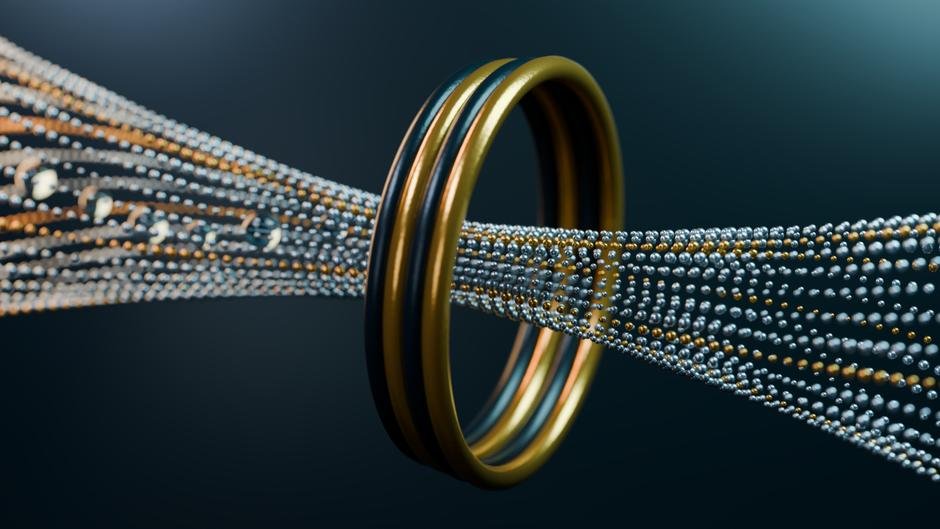
Physical comfort during the night matters just as much as accuracy. If an accessory catches on blankets or pinches your skin, you will leave it on your dresser.
The rounded shell of the Ring 5 rests naturally against your hand. Fingers expand slightly while resting, so picking the right size during the initial sizing kit process proves vital. Once fitted, stomach and side sleepers can slip hands under pillows without rigid clasps digging into skin. The absence of an LED display panel also eliminates random illumination when you toss and turn.
Fitbit takes a thoughtful approach with its tapered silicone band. The housing curves tightly against the forearm, preventing annoying snags on sheets. For individuals dealing with swollen joints or knuckle stiffness, a pliable band offers an adaptable fit. It spreads contact evenly around your wrist. This avoids the tightness that rigid rings can cause on humid nights.
Battery longevity provides another point of contrast:
- Oura Ring 5 stamina: Delivers up to eight continuous days of monitoring on a single charge. Its compact desktop dock recharges the internal battery in roughly eighty minutes.
- Fitbit Air stamina: Operates for about six to seven days per charge cycle. Its magnetic cable adds two full nights of tracking from a quick fifteen-minute boost while you shower.
Both options easily outlast standard smartwatches, giving you dependable full-week tracking without daily battery anxiety.
Frequently Asked Questions
Which device feels more comfortable to wear to bed?
The Ring 5 rests against your finger without wrist pressure, making it easy to forget once you fall asleep. The Air relies on a soft strap that bends easily without pinching your forearm. Which feels better depends on whether you tolerate finger jewelry or prefer a conventional watch band.
Do both devices require an active monthly subscription?
Oura requires an active membership to display your complete daily readiness scores and long-term sleep trends. Fitbit includes base sleep duration and stage breakdowns at no cost. It reserves advanced trends for its optional premium tier. Review recurring membership costs on each company’s official site prior to purchasing.
How well do they detect naps and restless nights?
The ring automatically detects brief afternoon siestas without manual logging. The Air flags midnight wakeups quickly thanks to its continuous wrist pulse sensors. Both models reliably separate light rest from deeper restorative phases.
How often do you need to recharge each tracker?
The ring runs for roughly seven to eight days before needing its dock. The Air lasts close to a full week between charges under normal use. Both units charge quickly while you get ready in the morning.
Which option works better if you also want daytime workout stats in 2026?
Fitbit holds an advantage for active exercise because its screen displays real-time heart rate zones during training. Oura tracks total daily steps and calorie burn, but gripping heavy steel weights can scratch its polished shell. Choose the wrist tracker for active sports and the ring for subtle background monitoring.
Final Verdict: Which Sleep Tracker Should You Buy?
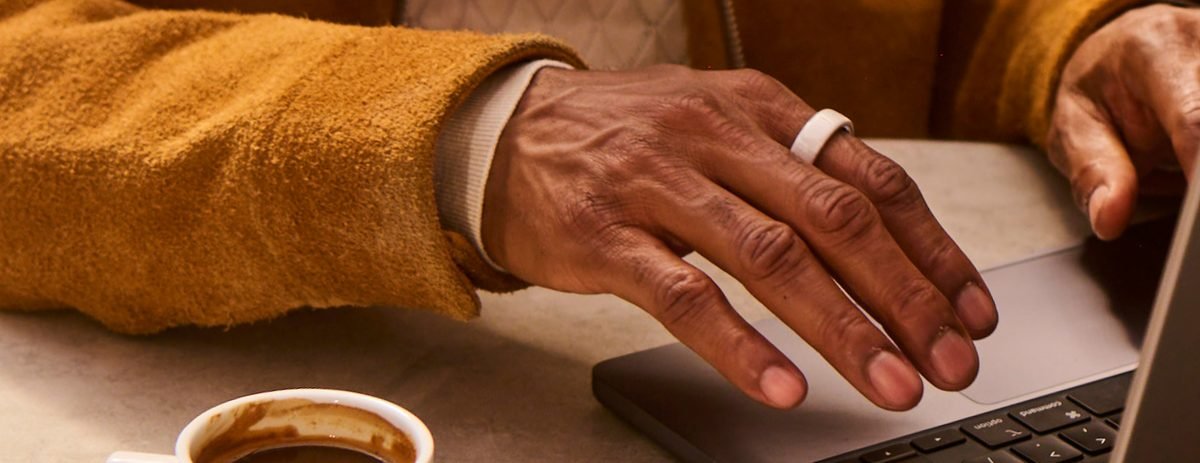
Picking the right sleep tracker in 2026 comes down to how much hardware you tolerate while resting. The Air keeps your initial investment low while offering a versatile display. Meanwhile, the Ring 5 asks for a larger upfront cost plus a recurring membership.
Both products excel at nocturnal monitoring, but they fit separate lifestyles:
- Choose the Fitbit Air if: You want an affordable tracker that covers workouts on a clear screen. It delivers trustworthy sleep staging, silent alarms, and free core stats without requiring an extra subscription.
- Choose the Oura Ring 5 if: You prefer a screenless piece of jewelry that disappears completely on your hand. Its finger pulse tracking, accurate temperature sensing, and slim profile suit anyone who dislikes wristbands in bed.
If flexible fitness features and value matter most, the Air stands out as the practical winner. If zero nighttime distractions and deep recovery analytics are your top priorities, the Oura ring justifies its premium price.