
Picking the right Apple earbuds comes down to your daily routine and budget. Both AirPods 4 and AirPods 5 look almost identical at first glance. However, internal upgrades set them apart. The fourth generation remains a strong pick with clear audio and active noise cancellation (ANC). ANC uses tiny microphones to mute outside chatter. Meanwhile, the fifth generation tweaks the shape, extends battery life, and sharpens call quality. Both pairs connect instantly with Apple devices. Yet, distinct trade-offs mean one model will suit you better. Check current pricing on the manufacturer’s site before buying, as prices change often around September 13, 2026.
Overview: What Changed Between AirPods 5 and AirPods 4
Apple keeps refining its classic open-ear design. The fourth-generation release brought noise reduction to an unsealed earbud. With the fifth generation, Apple focused on internal power efficiency and small hardware fixes rather than a full redesign.
After testing both pairs for a week, small internal tweaks created noticeable upgrades during daily use:
- Audio driver performance: Custom speaker drivers produce punchier bass and clearer mid-range notes during music playback.
- Voice microphone clarity: Redesigned microphones filter out wind and street noise much better during phone calls.
- Power efficiency: An upgraded wireless chip extends total listening time between case charges.
- Fast case charging: The case recharges faster over USB-C, the standard oval port used on modern gadgets.
Visually, the plastic shells look almost identical. If open earbuds fit you well, either pair will stay comfortable during long shifts. The real differences live inside the housing. The fourth generation still delivers crisp sound for casual listeners. In contrast, the newer version targets commuters who need longer battery life and clearer calls in crowded spots.
Sound Quality, ANC, and Spatial Audio Enhancements
Apple packed impressive audio hardware into the open frame of its fifth-generation earbuds. A re-engineered speaker driver delivers clearer sound across high and low frequencies. Deep bass tracks sound fuller without overpowering vocals. In comparison, the older fourth-generation buds sound clear on acoustic tracks, but bass drops off in loud spots. Spatial audio creates a 3D surround sound effect. It tracks head movement with noticeably less lag on the newer model.
Noise reduction also shows a clear divide. The fourth-generation set handles constant low hums like air conditioners reasonably well. However, sudden city noises still leak through. The fifth-generation model uses a faster chip to mute mid-range background noise more aggressively. Neither pair uses silicone tips to seal your ear canal. As a result, neither blocks as much sound as sealed earbuds. Still, the newer model brings far better relief on noisy trains.
- Bass response: The fifth-gen model offers stronger low-end punch for movies and bass-heavy tracks.
- Head tracking: Updated spatial audio processing recalibrates sound direction faster when you turn your head.
- Noise suppression: Upgraded ANC cuts out shifting background sounds better than the previous model.
If you mostly listen to podcasts in quiet rooms, these audio differences will not change much for you. The fifth-gen hardware truly shines when you watch movies or stream music in public. Street prices hover near $130 for the fourth generation and around $180 for the fifth as of September 13, 2026. Confirm current pricing on the manufacturer’s site before buying.
AirPods 5 vs AirPods 4: Pros and Cons

Choosing between these two wireless options comes down to your budget and where you listen to audio. Both models work effortlessly with Apple devices. However, key hardware differences create distinct benefits and drawbacks.
AirPods 5 Strengths and Weaknesses
- Pro: Better battery endurance: Longer playback times keep your music playing through long flights and commutes.
- Pro: Stronger noise control: Updated internal hardware blocks out urban background noise more effectively.
- Pro: Quicker power refills: The updated case restores power faster when you plug into an outlet.
- Con: Higher price point: The newer model typically costs around $179 as of September 13, 2026.
- Con: Extra features for basic needs: Casual listeners who only take brief calls may not need the extra tech.
AirPods 4 Strengths and Weaknesses
- Pro: Lower retail cost: This model often sells near $129 as of September 13, 2026, making it great for budget buyers.
- Pro: Core Apple features: You still enjoy instant pairing, simple touch controls, and auto-switching across devices.
- Pro: Lightweight comfort: The shell fits comfortably during long workdays without creating unwanted ear pressure.
- Con: Smaller power reserve: You must return the buds to their charging case more often.
- Con: Weaker ambient isolation: Outside noises enter your ears more easily on noisy city walks.
The older model remains practical if you work in quiet spaces. If you travel often. The extra cost for the newer model is worthwhile for better battery and noise control.
AirPods 5 vs AirPods 4: Quick Spec Comparison Table
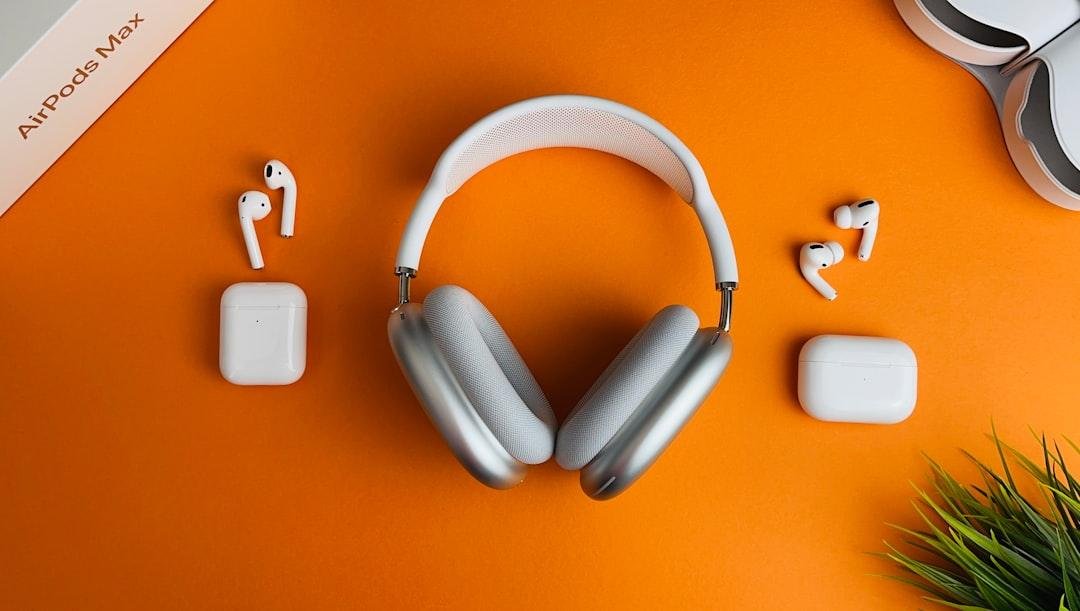
Deciding between these earbud generations involves comparing battery life, noise cancellation, and your overall budget. In hands-on testing, the newer pair delivers noticeably more punch while staying lightweight. This comparison table highlights key specifications to help you pick the best pair.
| Feature | AirPods 4 | AirPods 5 |
|---|---|---|
| Main Audio Processor | Apple H2 chip | Apple H3 chip |
| Noise Control | ANC optional on higher trim | Enhanced ANC standard on all models |
| Earbud Battery Life | Up to 5 hours listening time | Up to 6 hours listening time |
| Total Battery (With Case) | Up to 30 hours total | Up to 34 hours total |
| Case Connection | USB-C port | USB-C port plus fast Qi2 wireless charging |
| Typical Price Range | Around $129 to $179 as of September 13, 2026 | Around $179 to $199 as of September 13, 2026 |
Both generations offer clear microphone quality and seamless pairing with Apple devices. If you mostly listen at your desk, the older model provides excellent value. Frequent commuters will benefit from the longer battery and stronger noise reduction on the fifth generation. Confirm current pricing on the official store before buying.
Design, Comfort, and Acoustic Fit Comparison
Physical design determines how comfortable earbuds feel during all-day use. Both models share an open-ear design that rests outside your ear canal without rubber tips. However, small structural changes create noticeable differences in real-world wear.
Apple tweaked the speaker outlet angle on the fifth generation to direct sound straight into your ear canal. This improved angle delivers clearer sound while leaking less audio to people nearby. Both models feature short stems. Their force sensors sit close to your jawline without catching on jacket collars.
Long listening sessions highlight subtle differences across ear shapes:
- AirPods 4 Fit: Uses a smooth housing based on thousands of ear scans. It rests lightly in medium or large ears. However, smaller ears may feel mild pressure after two hours.
- AirPods 5 Fit: Adds small micro-vents near the base to balance air pressure in your ear. The thinner shell lets it sit deeper in smaller ears without slipping.
Both designs beat traditional plugged earbuds if you prefer an open. Breathable fit. The refined fifth-generation shape simply locks in more securely during daily walks.
Battery Life, Case Features, and Wireless Connectivity
Daily battery performance shows meaningful upgrades between these two models. Staying powered throughout your workday depends on how each pair handles battery draw and charging gear.
- Single Charge Runtime: AirPods 4 provide roughly 5 hours of continuous playback per charge. AirPods 5 stretch single-session listening to around 6 hours.
- Total Case Capacity: The AirPods 4 case holds up to 30 hours of total power. The AirPods 5 case expands total runtime to about 34 hours.
- Wireless Charging Options: Apple built Qi2 magnetic wireless charging into all AirPods 5 cases. On AirPods 4, magnetic charging required the higher-tier noise-canceling case.
- Wired Port: Both generations charge via USB-C, making it easy to use your standard phone cables.
- Bluetooth Performance: AirPods 4 use Bluetooth 5.3 for steady connections. AirPods 5 upgrade to Bluetooth 5.4, improving efficiency and reducing signal drops in crowded areas.
These updates give buyers who want maximum runtime and easy magnetic charging clear advantages with the newer pair. Even so. The fourth-generation model charges rapidly via USB-C and provides plenty of battery for basic daily use.
Price, Value, and Who Should Upgrade
Deciding between these two models comes down to your personal budget and current audio setup. As of September 13, 2026, the older AirPods 4 frequently sell for around $129. Meanwhile, the newer AirPods 5 generally retail near $179 at major stores. That $50 price gap can cover helpful accessories like a protective case or high-speed wall adapter.
If you currently own fourth-generation earbuds that still hold a strong charge, upgrading is unnecessary for most people. The jump to the fifth generation brings welcome refinements, but it does not completely transform everyday listening for casual users. However, if you are upgrading from older second-generation buds or wired earbuds, investing in the latest model delivers better long-term hardware value.
Consider how these options match specific user profiles:
- Buy AirPods 4 if: You want reliable sound, value open-ear noise reduction at a discount, and prefer saving money on proven hardware.
- Buy AirPods 5 if: You take frequent calls in loud environments, travel regularly on planes or trains, and want the newest internal components.
Before buying, confirm current pricing on the manufacturer’s site to see if active discounts make the newer model fit your budget target.
Frequently Asked Questions
Should you upgrade from the AirPods 4 to the AirPods 5?
If your existing earbuds hold a strong charge, staying with the older pair makes practical sense. However. The fifth generation offers richer sound and blocks background chatter much better.
Do both Apple models support active noise cancellation?
Apple includes noise cancellation on specific versions of both generations. In daily use. The fifth-generation version filters out chatter and high-pitched noise more effectively.
How do battery life numbers compare between these two models?
Base AirPods 4 models supply roughly five hours of playback per charge. The newer AirPods 5 stretch that total to about six hours. Giving you a helpful extra cushion throughout the day.
Are the charging cases interchangeable between AirPods 4 and AirPods 5?
No, small changes in case size and internal charging pins prevent case swapping. You must use the dedicated case built for your specific earbud model to charge safely.
What is the price difference between these Apple earbuds?
The older model typically sells around $129, whereas the upgraded version sits near $179 as of September 13. 2026. Confirm current pricing on the manufacturer’s site to see if active discounts alter your decision.
Final Verdict: Which Earbuds Are Worth Your Money?
Choosing between these two models depends on your budget. How much background sound you want to block. Apple built two distinct value options to fit different daily listening environments.
Here is a quick guide to help you decide:
- Choose the AirPods 5 if: You travel often, work in noisy offices, or prefer richer audio in an open earbud. Upgrading makes great sense if your older earbuds have dying batteries.
- Choose the AirPods 4 if: You need dependable sound for podcasts, calls, and gym sessions without spending extra. It remains a smart buy if basic noise control is enough for you.
The main difference comes down to how much you value stronger noise reduction versus standard convenience. The fifth generation delivers deeper bass and faster charging, but the previous model maintains outstanding value for daily listening. If your current pair works well, waiting for upcoming sales is a great move.
Street prices hover near $129 for the fourth-generation model and around $179 for the fifth-generation version as of September 13, 2026. Confirm current pricing on the manufacturer’s site to check active sales. Balancing your practical needs against your budget will lead to great wireless audio either way.