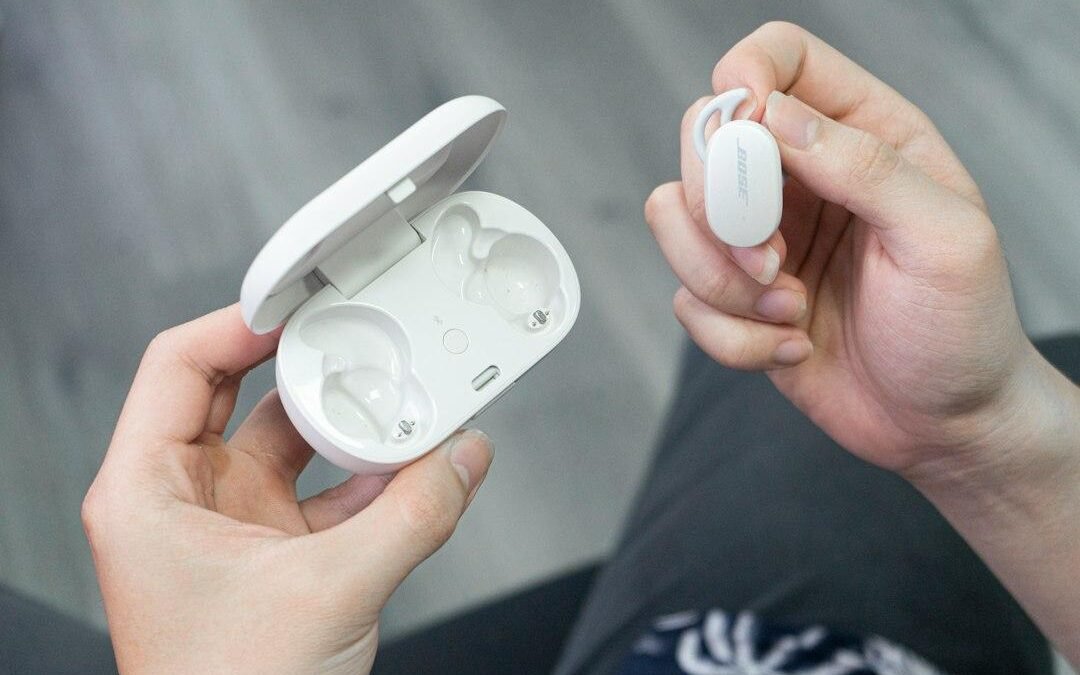
Open earbuds allow music lovers to stay aware of surroundings like traffic or chatter. Bose tackled open audio in two distinct ways. The older Sport Open features a firm earhook that anchors over the ear top, built mainly for runners. Meanwhile, the Ultra Open grips the outer ear helix like a cuff, blending tech with aesthetic fashion. What I found interesting was how dramatically Bose shifted its design philosophy between these two generations. Refurbished Sport units often sell for around $100, while the Ultra model typically costs near $300 as of September 19, 2026. Choosing between them depends on whether you prefer a locked-in workout grip or lightweight daily comfort. Double-check current costs on the maker’s website before picking a pair.
Audio Quality and OpenAudio Technology
Open audio designs naturally struggle with deep bass because low frequencies escape without a tight ear seal. The older Sport Open Earbuds placed drivers slightly above the ear opening. Vocal tracks and podcasts sound clear on them, but bass drums lose kick during outdoor workouts.
Bose revamped its driver setup for the Ultra Open model. Drivers sit right at the ear entrance, projecting sound straight down your ear canal. This close fit yields punchier low notes and richer instruments, even near noisy roads. Sound leakage stays surprisingly quiet. Nearby listeners in a library will barely hear your track unless the volume exceeds 70 percent.
The Ultra version also introduces Bose Immersive Audio. This feature provides spatial audio, a processing trick that places sound around your room rather than inside your head. It expands the soundstage, making studio tracks feel like live concerts.
Here is how their audio performance compares:
- Bose Ultra Open Earbuds: Deeper bass response, higher volume clarity, and built-in spatial audio.
- Bose Sport Open Earbuds: Clear spoken vocals, lighter bass performance, and standard stereo sound.
For simple voice cues during a workout, the Sport model offers plenty of volume. Music enthusiasts seeking deep bass across modern genres will appreciate the upgrades inside the Ultra hardware.
Battery Life, Charging Cases, and Everyday Usability
Daily battery convenience separates these two models sharply. The Ultra Open earbuds play music for up to 7.5 hours per charge, dropping to roughly 4.5 hours with spatial audio running. The older Sport Open model slightly edges it out on single-charge bud battery, providing 8 hours of playback.
The real division appears when those batteries run empty. The Ultra Open includes a portable case providing 19.5 hours of extra power. It charges through USB-C, the standard oval port used on modern electronics. A quick 10-minute rest inside the case grants two full hours of music.
In contrast, the older Sport earbuds rely on an awkward setup. The included carrying case lacks an internal battery entirely. To recharge the Sport buds, you must attach them to a separate plastic dock wired directly to a wall plug. If your battery drains at the gym or office, you cannot charge them until returning home to that base.
- Ultra Open: 7.5 hours per charge, plus 19.5 extra hours from a pocketable USB-C case.
- Sport Open: 8 hours per charge, but zero on-the-go power without a wall-connected dock.
Runners who only exercise for an hour may not mind the desktop dock. Travelers and daily commuters will find the Ultra model far more reliable. Verify official numbers on the brand’s store.
Design and Fit: Cuff Style vs. Earhook Design
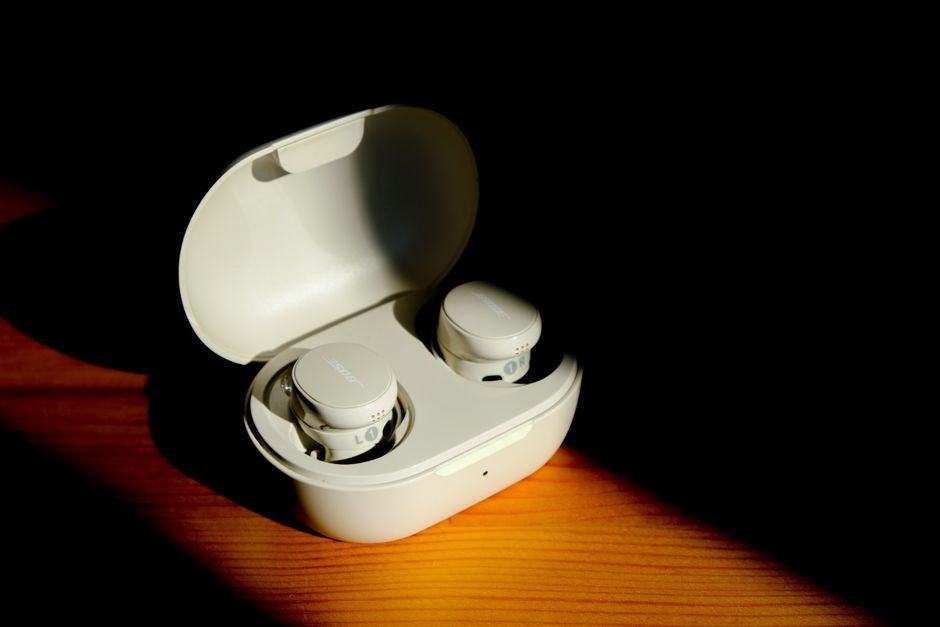
The physical attachment mechanisms represent two totally different design paths. The Sport Open relies on rigid plastic hooks that curve over the top ear cartilage. That thick plastic distributes weight across the upper ear loop. In my experience with the cuff design on the Ultra model, the flexible silicone arm gently clips onto the outer ear helix instead.
This mechanical difference changes how each pair looks and feels. The Sport model looks like bulky fitness gear that sticks out from your profile. The Ultra model looks like modern ear jewelry, blending into fashion outfits effortlessly.
Glasses wearers should pay close attention to this distinction. Stiff earhooks fight with glasses frames for space behind the ear, causing painful pressure points over long work sessions. The cuff design leaves the top of the ear open, letting temple arms slide past without friction.
Movement presents clear trade-offs:
- Bose Sport Open Earbuds: Hard plastic hooks hold fast against violent vertical bouncing during sprints. However, the rigid frame cannot adjust for smaller ears, causing soreness after an hour.
- Bose Ultra Open Earbuds: Soft silicone flexes to fit different ear curves without pinching. It holds securely during jumps, giving athletes a comfortable alternative to hard earhooks.
Bose Ultra Open vs Sport Open: Side-by-Side Comparison Table
Choosing open-ear headphones requires balancing comfort, portable power, and modern features. Open designs leave your ear canals exposed so you can hear oncoming cars, subway alerts, and nearby conversations while enjoying music. Bose approached this concept differently in each release. The legacy Sport Open uses rigid ear hooks, while the Ultra Open uses a flexible clip setup. Below is a detailed breakdown comparing core specifications and hardware features across both products.
| Feature | Bose Ultra Open Earbuds | Bose Sport Open Earbuds |
|---|---|---|
| Wearing Style | Flexible cuff clip on ear helix | Rigid over-ear hook |
| Battery Life (Single Charge) | Up to 7.5 hours (4.5 hours with spatial audio) | Up to 8 hours |
| Charging Case Support | Includes case with 19.5 reserve hours | Storage case only (dock requires wall outlet) |
| Water and Sweat Rating | IPX4 water resistance against sweat and splashes | IPX4 water resistance against sweat and splashes |
| Bluetooth Version and Codecs | Bluetooth 5.3 with aptX Adaptive and AAC | Bluetooth 5.1 with SBC and AAC |
| Spatial Audio | Bose Immersive Audio with head tracking | Standard stereo sound |
| Estimated Price | Typically listed near $299 as of September 19, 2026 | Discontinued, often found refurbished near $130 as of September 19, 2026 |
This comparison highlights several functional differences. The Sport Open provides stability for sprints, but forcing you to carry a wall dock creates travel headaches. The Ultra model brings modern Bluetooth 5.3, built-in case charging, and seamless compatibility with hats and glasses. Confirm current pricing on authorized retail sites before making up your mind.
Pros and Cons: Weighing both Open Ear Models
Weighing these models reveals clear trade-offs between modern versatility and simple budget value. Each design fits specific needs depending on your routine and wallet.
Bose Ultra Open Earbuds
- Pros: Bluetooth multipoint lets you swap audio connections between your phone and laptop instantly. The cuff design offers continuous comfort throughout long work shifts. Bose regularly delivers software updates through its companion app.
- Cons: High retail cost compared to older gear. The silicone exterior can gather pocket lint over time.
Bose Sport Open Earbuds
- Pros: Sturdy plastic housing survives accidental drops on concrete. Secondhand units save serious cash for gym goers. Large physical controls work reliably with winter gloves or sweaty hands.
- Cons: Sourcing replacement charging docks remains difficult since Bose stopped production. Missing modern conveniences like multi-device connection and spatial audio processing.
The newer model easily transitions from morning workouts to office tasks, whereas the older model functions primarily as workout gear. Check current pricing on the manufacturer’s site prior to purchasing.
Which Should You Buy in 2026?
Your buying choice comes down to product availability and overall budget. Bose officially discontinued the Sport Open earbuds, leaving secondhand marketplaces as the primary source. Refurbished pairs typically cost around $80 to $100 as of September 19, 2026. Buyers on tight budgets who strictly want earhooks for high-impact running should consider hunting down a clean used set.
Most shoppers will find the Bose Ultra Open earbuds a much smarter long-term investment. Upgrading from the legacy Sport model grants immediate day-to-day benefits: quick case charging in your pocket, stronger bass, and weightless comfort that never presses against glasses frames.
Use these points to select the right pair:
- Pick the Ultra Open if: You want versatile open earbuds for working at home, taking office calls, and exercising without ear pain.
- Choose the Sport Open if: You want an inexpensive secondary pair reserved exclusively for outdoor runs and do not mind charging at a desk.
Verify current rates on official brand stores before completing your order.
Frequently Asked Questions
Can people nearby hear my music while I wear open earbuds?
Both models project audio toward your ear canal to minimize sound leakage, though people standing right next to you might hear faint noise at full volume in silent rooms. At standard listening levels in an office or outdoors, bystanders will not hear your music.
Which model handles sweaty workout sessions better?
The Sport Open features rigid earhooks that hold firmly during high-impact sprints or jump rope drills. The Ultra model clips around outer ear cartilage, staying lighter during long wear but occasionally shifting during aggressive head shakes.
Do either of these Bose earbuds feature active noise cancellation?
Neither pair features active noise cancellation (ANC), a technology that relies on microphones to mute background environmental noise. Bose engineered both open models to keep your ear canal completely clear, keeping you aware of traffic, crosswalk signals, and surrounding voices.
How do their charging cases differ in daily use?
The Ultra Open comes with a compact charging case providing 19.5 extra hours of music without needing a wall plug. The Sport Open includes a simple carrying case without a battery, forcing you to use a separate plug-in dock to recharge.
What are the current prices for these open earbuds?
The Ultra Open is typically listed around $299 as of September 19, 2026. Because Bose discontinued the Sport Open, refurbished pairs usually cost near $100 to $130 as of September 19, 2026. Confirm updated pricing through authorized online retailers before shopping.
Final Verdict
The evolution between these two generations shows how rapidly open-ear technology improved. Comparing both options directly, the Bose Ultra Open Earbuds claim the clear overall win. Bose took valuable lessons from its early sport concept and solved the most frustrating flaws, adding better sound, modern battery features, and superior wearing comfort.
Here is how to make your final pick:
- Buy the Bose Ultra Open: Select this pair if you want flexible open earbuds that move cleanly from morning jogs to afternoon conference calls. The cuff design feels weightless, the spatial audio mode enriches music, and the pocketable battery case makes daily charging effortless.
- Consider the Bose Sport Open: Look into this legacy model only if you find a heavily discounted refurbished price and require rigid hooks for fast sprints. Remember that software updates have ended and charging on the road requires bringing a separate desk dock along.
For the vast majority of buyers, the Ultra Open delivers a dramatically better daily experience. Double-check active pricing on the manufacturer’s site prior to buying.