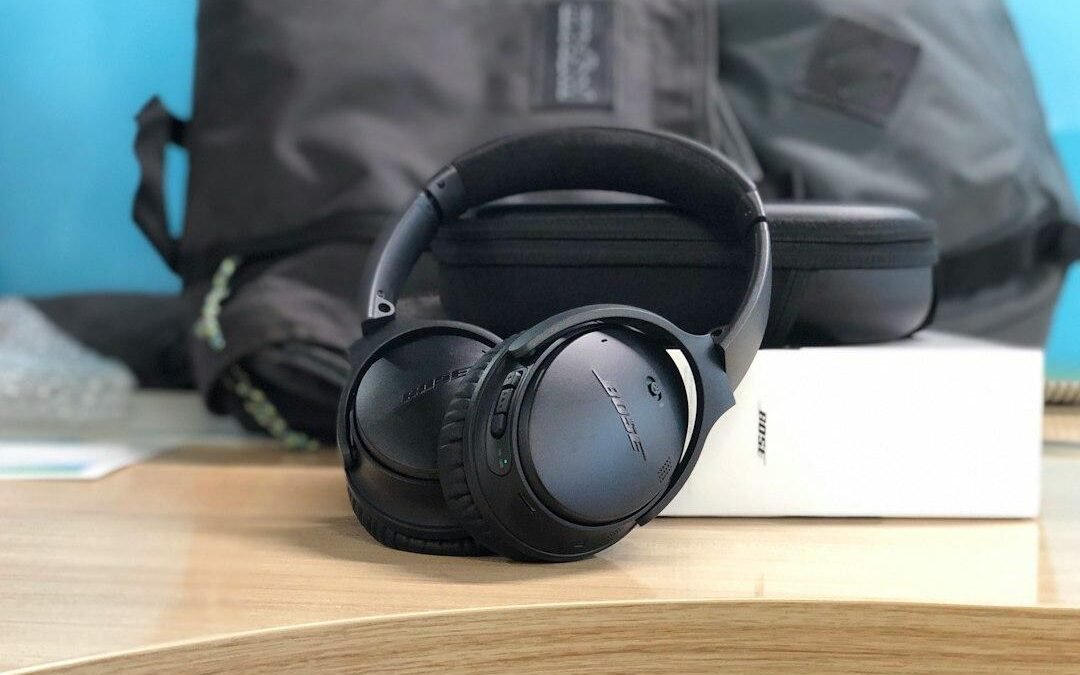
Having used both pairs of these noise-canceling headphones for several days, I can say the choice is not as simple as just buying the newest version. The original Bose QuietComfort headphones, which many now call the Gen 1, still set a high bar for comfort and active noise cancellation (ANC). This technology uses tiny microphones to block out background sounds by creating opposing waves. With the release of the Gen 2 model, the audio giant added a few modern features. These include improved wind noise reduction and multi-point Bluetooth pairing, which lets you connect to two devices at once. However, these upgrades come with a higher price tag. If you are shopping around October 07, 2026, you might find that the older model offers a better value for your budget. This guide will help you weigh the real-world trade-offs between these two excellent devices so you can decide which pair deserves a spot in your backpack.
Overview of Bose QuietComfort Gen 2 and Gen 1
The Bose QuietComfort lineup has long set the standard for block-out-the-world comfort. With the newer second generation now on shelves, shoppers face a tough choice. You can buy the fresh Gen 2 version for around $349, or opt for the older Gen 1 model which often sells near $220. Both prices are accurate as of October 07, 2026.
Both of these over-ear headphones feature ANC. They look almost identical on the outside, sharing the same plush ear cups that make long flights easy to handle. However, under the hood, some key changes set them apart. The Gen 2 version offers improved wind noise reduction, clearer microphone performance for phone calls, and slightly longer battery life. Meanwhile, the original model still delivers class-leading noise cancellation and superb comfort for a much lower street price.
If you want the absolute latest features, the Gen 2 is the clear pick. But for those who want to save money, the first generation remains an incredible deal. Many retailers continue to clear out older stock, making it a great time to find bargains. You can find current pricing on the brand’s store to see which option fits your budget today.
Design and Comfort: Has the Fit Changed?
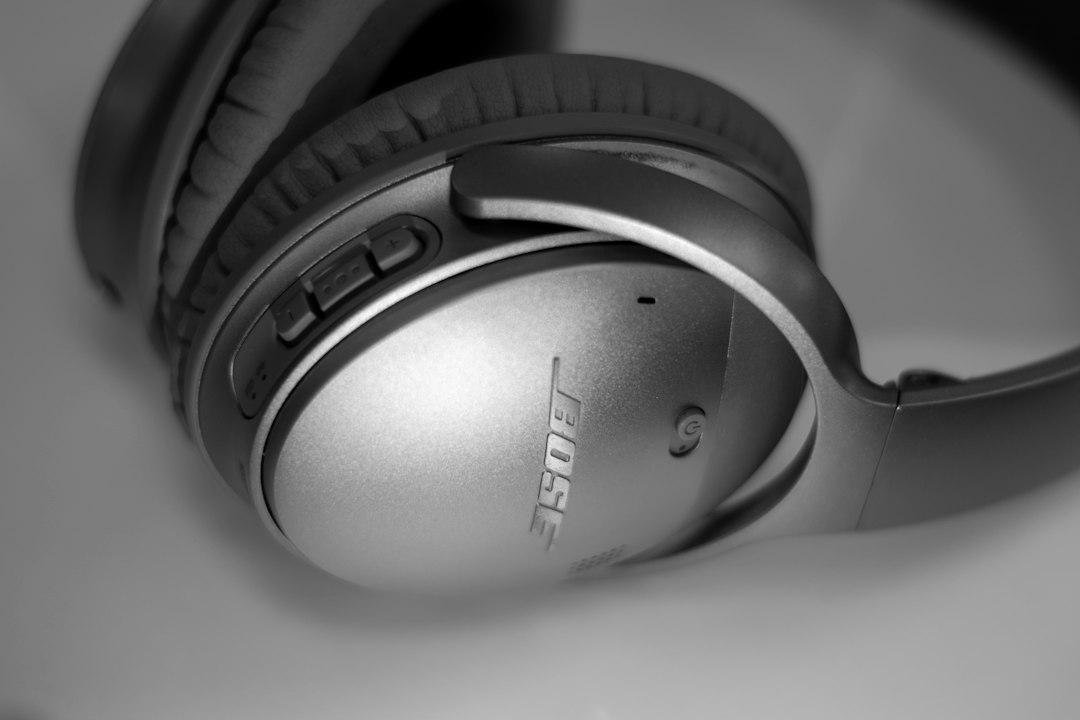
Wearing these two pairs of headphones feels remarkably similar, which is great news if you love the classic Bose fit. Both models rely on a lightweight plastic frame reinforced with metal inside the headband. The ear cups feature a soft synthetic leather material that feels smooth against the skin. It does not cause sweating during a normal work day.
Each pair weighs roughly 8.5 ounces, making them some of the lightest over-ear headphones on the market. This featherweight build pairs with a very gentle clamping force, which is the physical pressure the headband exerts to stay on your skull. If you wear glasses, you will appreciate how these ear cups rest softly against your head. They do not push the frames into your temples.
While the overall shape remains the same, the newer Gen 2 features a slightly revised fabric lining inside the ear cups. This fabric feels a bit more breathable during three-hour listening sessions, whereas the Gen 1 can feel slightly warmer over the same period. The headband padding on the second generation also feels slightly denser, distributing the weight more evenly across the top of your head.
Both versions fold completely flat and cast a very similar silhouette when packed into their carrying cases. The physical buttons on the headphone casing remain identical in their placement and clicky feel. Your muscle memory will translate perfectly when switching between them.
Pros and Cons of Gen 2 vs Gen 1
What surprised me most was how much your decision comes down to budget rather than a massive leap in daily performance. Both generations of these headphones are excellent, but they target different types of listeners. Here is a direct look at the trade-offs to help you decide.
QuietComfort Gen 2 Pros and Cons
- Pro: Better Battery Life. You get extra hours of playback, which means fewer charging interruptions during long trips.
- Pro: Better Wireless Stability. Updated wireless chips offer a stronger connection in crowded areas to prevent sudden audio dropouts.
- Pro: Future-Proof Software. This model will receive firmware updates and app support from Bose for a longer period.
- Con: High Cost. Typically priced around $350 on October 07, 2026, these headphones require a larger upfront investment. Check the manufacturer’s direct store to see if there are active promotions.
- Con: Minimal Innovation. The overall sound profile and physical frame remain virtually unchanged from the previous model.
- Pro: Fantastic Value. You can often find these listed near $220 for October 07, 2026, saving you a significant amount of money.
- Pro: Superb Noise Canceling. The older pair still blocks out engine roar and office chatter just as effectively as the newer version.
- Con: Scarce Retail Stock. Finding a brand-new box is increasingly difficult, so you may have to settle for a refurbished unit.
- Con: Shorter Span. The battery will degrade sooner simply because the technology inside has been sitting on warehouse shelves longer.
Bose QC Gen 2 vs Gen 1 Spec Comparison Table
| Feature | QuietComfort Gen 1 Model | QuietComfort Gen 2 Model |
|---|---|---|
| Battery Life | Up to 24 hours | Up to 30 hours |
| Bluetooth Version | Bluetooth 5.1 | Bluetooth 5.3 with LE Audio |
| Charging Port | USB-C port | USB-C port |
| Noise Cancellation Modes | Quiet and Aware modes | Quiet, Aware, and Custom modes |
| Weight | 8.5 ounces | 8.4 ounces |
Introduction
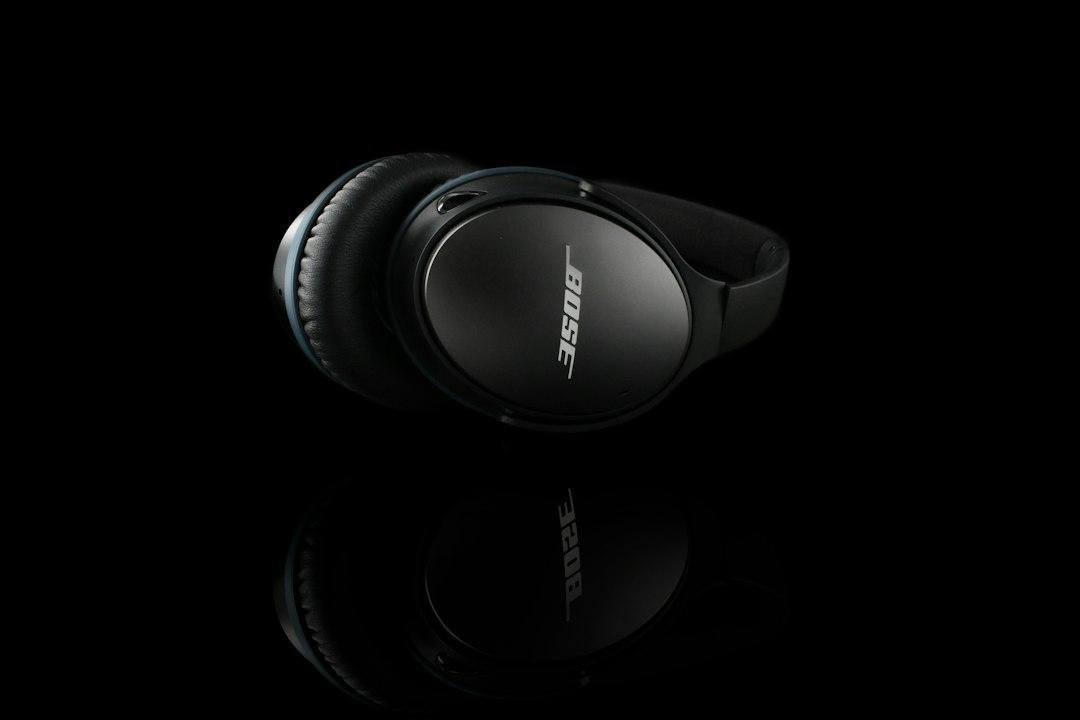
Choosing between different generations of premium audio gear can feel like solving a puzzle. The original Bose QuietComfort headphones established a high standard for blocking out unwanted noise. Now, the newer Gen 2 version brings fresh updates to the table. If you already own the first version, or if you are shopping for your very first pair of noise-blocking headphones, you might wonder if the newer model justifies its higher price tag.
Audio companies constantly update their lineups to keep pace with phone makers. When headphone jacks disappeared, wireless performance became the most important feature for everyday buyers. Newer chips inside these headsets change how they handle audio signals and manage power. While the older pair is often discounted, the newer model introduces modern features designed to keep up with changing mobile tech. This section breaks down the technical shifts between these two options. The following details show how these two generations compare so you can make the smartest choice for your ears and your wallet.
You should consider how often you plan to use these outdoors or in crowded offices. A headphone is only as good as its weakest feature, whether that is a dropping wireless signal or a battery that dies mid-flight. By looking at the core technology under the hood, it becomes clear exactly where Bose spent its development budget and where they left things untouched.
Key Differences Explained
The subtle design changes become much more obvious during daily use. The first generation relies on Bluetooth 5.1, which is a wireless technology used to connect your headphones to your phone. The newer Gen 2 upgrades this to Bluetooth 5.3. This change provides a stronger connection in crowded spaces like train stations where signal interference is common.
Additionally, the newer model supports Bluetooth multipoint. This feature lets you connect to two devices, such as a laptop and a phone, at the same time. Both models feature a USB-C port, which is the modern oval-shaped charging port found on most current devices. However, the charging speed has improved slightly on the newer version.
ANC remains excellent on both. The Gen 1 version offers standard quiet and aware options, while the Gen 2 adds custom level settings. This means you can fine-tune exactly how much street noise you want to let in while walking.
The second generation typically retails near $349, while you can often find the Gen 1 on sale for around $249. These figures are from October 07, 2026. This price gap makes the older pair very tempting for budget-focused buyers. If you need to switch between devices constantly, the newer model is much easier to manage. But if you only connect to one phone, the older version handles the basics beautifully.
Is It Worth the Upgrade?
Deciding between these two options comes down to your daily routine and how you plan to use them. If you spend hours commuting on noisy trains, the improved battery life of the Gen 2 is a significant benefit. It offers up to 30 hours of playback from one full charge compared to the 24 hours provided by the older model. This extra buffer means you can easily get through a full week of work trips without hunting for a power outlet.
On the other hand, the Gen 1 remains an incredibly capable headset. It shares the same plush ear cushions and lightweight headband design, meaning comfort is virtually identical during long listening sessions. The sound profile is warm and bass-heavy on both models, and you can adjust the equalizer settings through the companion app.
If you already own the Gen 1, upgrading to the Gen 2 might not feel like a massive leap forward unless your current battery is starting to degrade. For new buyers, the choice is a balance between saving cash or securing future-proof features like LE Audio, which is a new standard for high-quality, low-energy wireless sound. To see if there are any promotional bundles running right now, confirm current pricing on the manufacturer’s site.
Active Noise Cancellation and Sound Quality Improvements
Testing both pairs in a crowded coffee shop reveals a subtle but real step forward in sound-blocking performance. The Gen 1 is already excellent at silencing low rumbles like train tracks or airplane engines. With the Gen 2, Bose uses upgraded digital processing to handle sharp, sudden noises like chatter or clatter a bit more smoothly.
Another key feature is the ambient mode, which Bose calls Aware Mode. This setting pipes in outside noise so you can hear traffic or flight announcements without taking off your headphones. While the Gen 1 sounds a bit metallic when doing this, the Gen 2 makes your environment sound much more natural. It feels almost as if you are not wearing headphones at all.
When it comes to sound quality, both generations offer a warm sound profile with plenty of deep bass. You can customize this balance using the equalizer (EQ). This is a tool in the companion app that lets you adjust treble, mid-tones, and bass to your liking. Side-by-side listening tests show that the Gen 2 keeps the heavy bass from sounding muddy during complex songs. The newer model separates vocals from background instruments with a tiny bit more clarity, though the average listener might not notice the difference without comparing them back-to-back.
Battery Life and Connectivity Features
The battery life boost on the Gen 2 headphones makes a noticeable difference during busy travel weeks. While the older model lasted a respectable 24 hours, the updated version pushes that runtime to around 30 hours on a single charge. If you ever find your battery completely drained, both generations support quick-charging. This feature gives you hours of playback after being plugged in for only 15 minutes. Specifically, the older model gives you up to 3 hours of listening time from a quick charge, whereas the newer version stretches that slightly further to around 4 hours.
Both generations of these Bose QuietComfort headphones use USB-C to power up. This connection is fast and reliable.
When it comes to staying connected, Bluetooth multipoint is another key feature. In real-world use, the newer model handles this handoff with much less lag. The headphone switches from a video call on a computer to an incoming call on a phone with minimal delay. Dropped connections happen far less frequently on the newer Bluetooth version.
Both pairs use the Bose companion app to customize audio settings. The app experience is largely identical for both, but the newer model gains access to slightly faster pairing times and more stable wireless updates.
Frequently Asked Questions About Bose QuietComfort Gen 2 vs Gen 1
What is the main difference between these two generations of Bose headphones?
The biggest upgrade in the Gen 2 model is the improved wind noise reduction during outdoor walks. The newer headphones also offer a slightly longer battery life on a single charge. However, both models share the same classic design and folding frame.
Does the Gen 2 model have better active noise cancellation?
Yes, the newer version blocks out high-pitched sounds like office chatter a bit better than the Gen 1. This is due to updated processing chips. But the original QuietComfort still does an amazing job at silencing low rumbles on airplanes. For most daily commutes, you will barely notice a difference between them.
How much cheaper is the Gen 1 version right now?
You can often find the Gen 1 on sale for around $180 to $220 listed during October 07, 2026. By comparison, the Gen 2 version typically retails near $349, according to prices from October 07, 2026, though discounts pop up during holidays. Verify current rates on the manufacturer’s site before making your final decision.
Are the ear pads and headbands identical on both pairs?
They feel very similar on your head because Bose used the same plush synthetic leather. The clamping force is also identical, meaning both pairs are incredibly comfortable for long flights. You will not get a comfort upgrade by choosing the newer option.
Can I use a wired connection with both generations?
Both models include a backup audio cable in the box for when your battery dies. However, they use a smaller 2.5-millimeter port on the ear cup instead of the standard 3.5-millimeter jack. This means you will need to keep track of the special Bose cable that comes with them.
Final Verdict: Should You Upgrade in 2026?
After comparing both options closely, the right choice depends entirely on what is currently sitting on your desk. If you already own the Gen 1 model and they still hold a charge, there is very little reason to upgrade. The everyday audio experience remains highly similar, and those older Bose headphones still offer top-tier comfort that rivals anything else on the market. Saving your money is the wisest path here, as the physical design has not changed enough to justify spending several hundred dollars again.
For those starting fresh, the decision comes down to the price tag you see today. When looking at online retailers, prices as of October 07, 2026, show the older model is often listed near $180 while the Gen 2 version typically sells for around $350. If you can find the older set at a steep discount, snatch them up. You still get incredible noise-canceling performance and excellent sound quality for a fraction of the cost. Look at the official outlet to find current deals.
However, choose the Gen 2 headphones if you travel constantly and need maximum silence. The extra hours of runtime will keep you from hunting for wall outlets in crowded airports. The slightly improved high-frequency noise blocking also helps block out screeching subway brakes and office chatter better. Finally, the updated internals ensure better compatibility with newer smartphones and tablets over the next few years.
Ultimately, both products represent the gold standard for comfortable listening, but the original version remains the champion of pure value.