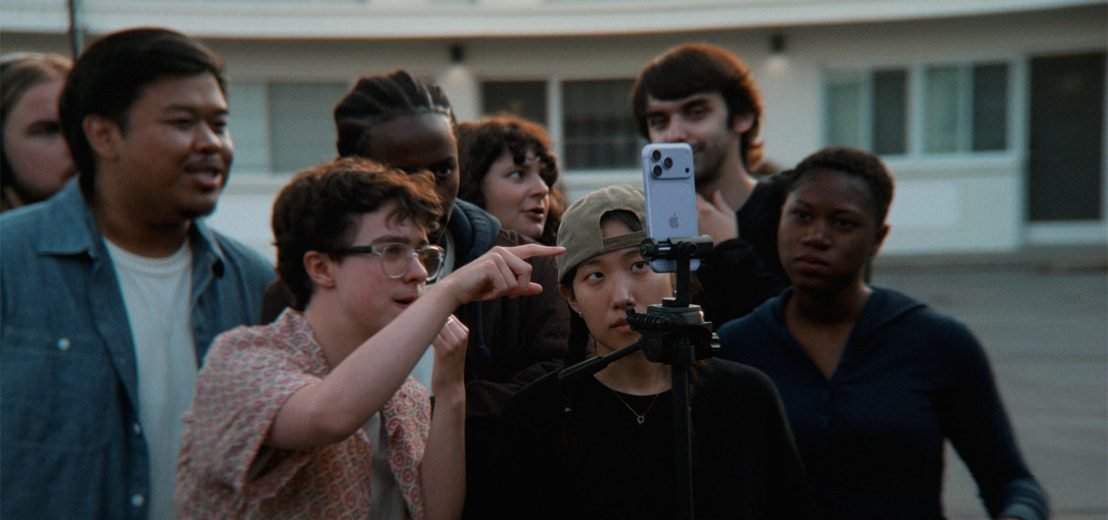
Planning to upgrade your phone this year? Apple made practical changes to its top model. Choosing the right mobile setup used to mean simply picking a screen size. Today, hardware specs help you decide if spending a thousand dollars fits your photography needs. Redesigned sensors and sharper zoom lenses help improve your photos. They work well indoors and on vacation. Compared to older models, these upgrades offer real benefits rather than useless marketing gimmicks. Here is what you need to know before buying or skipping this generation.
iPhone 18 Pro Camera System: Overview and Upgrades
The standout change on the new flagship setup is a mechanical shift inside the primary lens. Apple introduced a variable aperture. This physical opening in the lens adjusts to control incoming light. In dark rooms, the lens opens wide to catch every bit of light. Bright outdoor scenes trigger a narrower setting for sharper focus across the frame.
Hardware upgrades span all three rear camera sensors for this release. The main, wide, and zoom lenses now run on matching 48-megapixel sensors. Higher megapixel counts keep details sharp. You can crop photos tight without creating a blurry mess. This triple-lens array works with an updated image signal processor, or ISP. An ISP is a tiny chip. It cleans up noise and balances skin tones before saving your shot.
Think about how you take pictures before jumping on a flagship upgrade. Entry models typically hover around $999 as of September 19, 2026. Look up current cost options on the maker’s webpage to see baseline options.
Variable Aperture and Mechanical Lens Innovations
Mechanical light control inside a smartphone lens is a huge leap forward for phone photos. For years, phone cameras relied on fixed openings that kept light input constant regardless of surroundings. The new system uses physical blades that adjust over the main camera chip.
In low light, the lens opens wide to gather light. Photos stay crisp without using software to boost brightness. That avoids grainy images. On sunny afternoons, the blades narrow to prevent bright highlights from washing out details. You gain precise control over exposure before pressing the shutter button.
This mechanism creates true optical bokeh. Bokeh is the soft background blur seen in portraits. Previous models relied on software tricks to fake depth. Real physical blades form clean background blur based on actual distance, so hair outlines stay sharp.
Moving parts in a pocket device raise fair questions about long-term durability against drops. Still, these tools give you control like a traditional DSLR camera. After testing this system, switching between light levels felt fast and smooth.
Sensor Upgrades: Main, Ultra-Wide, and Tetraprism Telephoto

Compared to older models, the 2026 sensors deliver sharper details at any zoom. High-resolution chips on all three rear cameras give you great flexibility when cropping photos.
Here is how the three camera modules break down:
- Main Sensor: The primary 48MP chip uses a stacked design. It captures extra light and reduces shadow grain.
- Ultra-Wide Camera: An upgraded 48MP sensor lets you capture wide landscapes and macro shots with crisp detail.
- Tetraprism Telephoto Lens: The 48MP zoom lens reflects light four times. It gives 5x optical zoom without a thick bump.
Optical zoom uses physical glass lenses to magnify subjects without losing resolution. Digital zoom merely crops into a photo and stretches pixels, which ruins image clarity. High pixel counts paired with true physical magnification ensure long-distance shots remain sharp enough to print.
Base models usually retail near $999 as recorded on September 19, 2026. Check the latest price on the official store to find current carrier trade-in discounts.
Pros and Cons of the Expected iPhone 18 Pro Camera
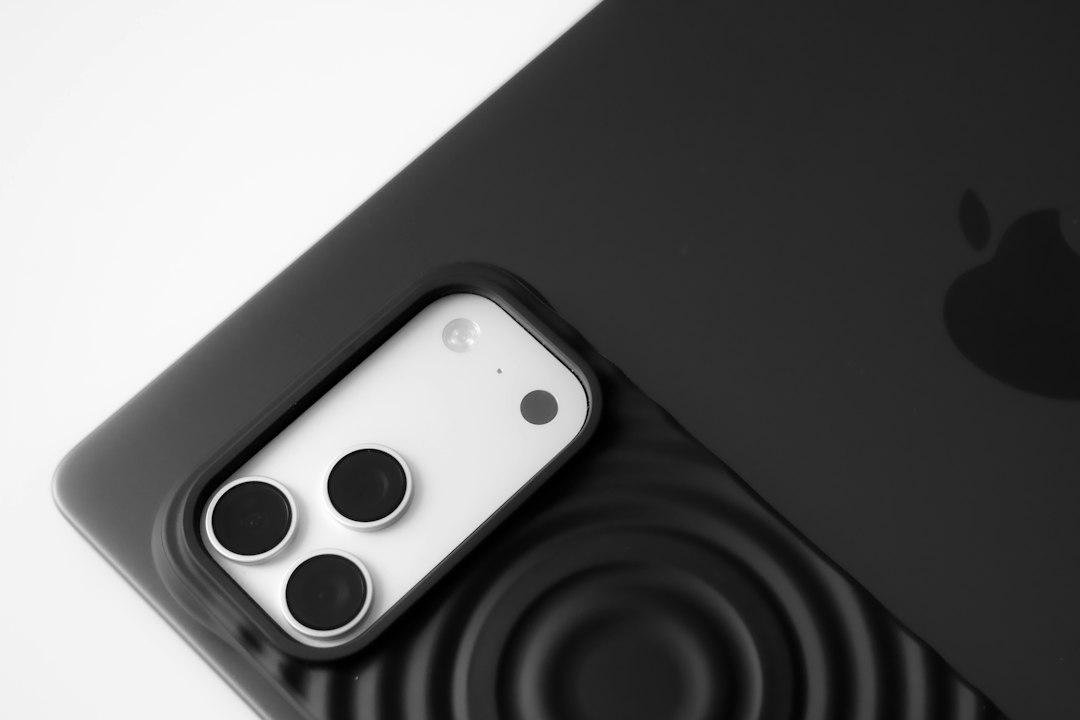
Evaluating these hardware updates helps you determine if the flagship fits your daily shooting habits. Adding mechanical blades gives creative control, but complex parts bring real trade-offs. Here is a clear breakdown of the benefits and drawbacks.
- Pro: Better low-light photos and natural depth. Physical light control creates smooth background blur and bright indoor shots.
- Pro: Equal clarity on every rear lens. Matching 48MP sensors keep pictures sharp on all three cameras.
- Pro: Smoother video exposure. Moving lens blades prevent sudden jumps in brightness when moving into sunlight.
- Con: Potential risk from moving parts. Tiny optical motors add extra failure points compared to simple solid glass lenses.
- Con: A thicker rear camera housing. Larger sensors require a deeper bump that makes the phone wobble on desks.
- Con: Expensive out-of-warranty repairs. Fixing a broken aperture motor costs more than replacing static glass. Base units near $999 reflect these complex parts.
If you take pictures daily in shifting light, these features add clear value. Review active rates on Apple’s online store before deciding.
iPhone 18 Pro Camera Spec Comparison Table
Apple updated its flagship phone line for late 2026 with practical camera tweaks rather than flash. In daily use, background blur looks far more natural through glass instead of code. A physical aperture solves edge clipping around hair and glasses cleanly. Below is a direct breakdown of how core specs compare across recent generations.
| Camera Feature | iPhone 18 Pro (2026) | iPhone 17 Pro (2025) | iPhone 16 Pro (2024) |
|---|---|---|---|
| Main Sensor | 48 MP with variable aperture (f/1.4 to f/2.2) | 48 MP fixed aperture (f/1.78) | 48 MP fixed aperture (f/1.78) |
| Telephoto Zoom | 48 MP tetraprism, 5x optical zoom (f/2.4) | 48 MP tetraprism, 5x optical zoom (f/2.8) | 12 MP tetraprism, 5x optical zoom (f/2.8) |
| Ultra Wide Lens | 48 MP with larger 1.4-micron sensor pixels | 48 MP standard sensor | 48 MP standard sensor |
| Front Selfie Camera | 24 MP with autofocus and wider field of view | 24 MP with autofocus | 12 MP TrueDepth with autofocus |
| Video Capture Limits | 8K at 60 fps, 4K Dolby Vision up to 120 fps | 4K Dolby Vision up to 120 fps | 4K Dolby Vision up to 120 fps |
| Dedicated Shutter Key | Capacitive Camera Control with tactile haptics | Capacitive Camera Control | Capacitive Camera Control |
How to Choose Based on Real Photography Needs
Upgrading your device every single year rarely makes financial sense. If your phone is two years old, upgrading brings clearer zoom photos and cleaner night video. Entry units hover near $999 noted on September 19, 2026. However, owners of last year’s model will see almost identical daytime photos.
The variable lens opening remains the key feature to weigh. At f/1.4, the sensor gathers abundant natural light, reducing digital grain during evening outings. For wide landscapes, the glass narrows to f/2.2. This keeps the whole picture sharp. Casual photographers taking simple vacation snaps can safely stick with an older phone.
Check live offers on official retail sites before ordering.
Computational Photography and AI Camera Features
Software plays an equal role alongside physical glass in modern mobile cameras. Computational photography relies on smart algorithms to process visual data instantly. The built-in processor checks pixel data before you even press the shutter button.
This chip expands dynamic range. Dynamic range is the balance between dark shadows and bright highlights. Tricky lighting gets balanced frame by frame so bright skies do not blow out foreground details. Low-light photos stay clean because automated noise reduction removes digital grain in real time.
Smart processing powers several editing tools built directly into the photo app:
- Generative Object Erasure: Tap background distractions to remove them while software reconstructs natural background textures.
- Portrait Relighting: Change virtual light angles on your subject long after taking the photo.
- Smart Group Blending: Combine facial expressions from a fast burst of shots so everyone looks their best.
These automated tools help everyday photos look refined without requiring manual editing skills. Confirm current pricing on the manufacturer’s site before upgrading your hardware setup.
Video Capabilities: 8K Capture and Cinematic Enhancements
For video creators and social media posters, the updated camera hardware provides significant recording upgrades. The top feature is 8K video. It gives four times the detail of 4K footage. High resolution lets you crop or reframe clips during video editing without losing sharpness.
High frame rates offer additional creative options for motion shots. You can capture 4K video at 120 frames per second for fluid slow-motion playback. These high-speed modes work with Dolby Vision HDR. This format boosts color depth and contrast.
Audio quality gets a boost from four internal microphones. The system filters out wind noise while keeping voices clear. You will not need external microphones for quick clips.
Keep in mind that high-resolution video consumes storage space rapidly. High-capacity models often add around $200 valid on September 19, 2026. Consult official store pages to check exact storage pricing before selecting a model.
Frequently Asked Questions
Is the variable aperture feature on the iPhone 18 Pro worth upgrading for?
A variable aperture uses physical blades to control incoming light. If you take night photos or portraits, this feature improves quality. Check pricing on official store pages before deciding.
How does the new telephoto zoom compare to older Apple models?
The updated zoom camera uses real glass to magnify distant objects. Photos stay sharp without digital cropping blur. You get clear shots with accurate colors.
Do I need the Pro model just to get good night video features?
Standard models take great daylight video. Premium models feature larger sensors that capture more light in the dark. This reduces grain in dim rooms. Base models remain plenty capable for casual users.
How much does the iPhone 18 Pro cost in 2026?
The standard model starts near $999 as of September 19, 2026. Higher storage models can reach around $1,499. Check the official brand site to view active trade-in offers.
Will older clip-on camera accessories fit the 18 Pro camera bump?
Larger sensors change the size of the camera module. Clip-on lenses or cases for older phones will not fit the 2026 body.
Final Verdict: Is the iPhone 18 Pro Camera Worth the Upgrade?
Deciding to buy this flagship phone comes down to your current device. Upgrading from a three-year-old phone brings a dramatic boost in clarity. However, owners of last year’s model will see smaller daily improvements.
Consider these simple guidelines when deciding:
- Upgrade if you hold an older device: The 2026 model brings vastly superior low-light photos, crisp zoom, and faster processing.
- Upgrade if you create video content: Video creators gain advanced resolution settings, flexible frame rates, and improved microphone performance.
- Wait if you bought recently: Recent phone models already feature capable sensors and fast chips that handle daily photos with ease.
Standard entry options usually start near $999 effective September 19, 2026. A new phone is a big purchase. Casual photographers can comfortably wait another year. Photography fans who want physical aperture control will find real value in this upgrade. Visit official retail channels to inspect current trade-in offers.