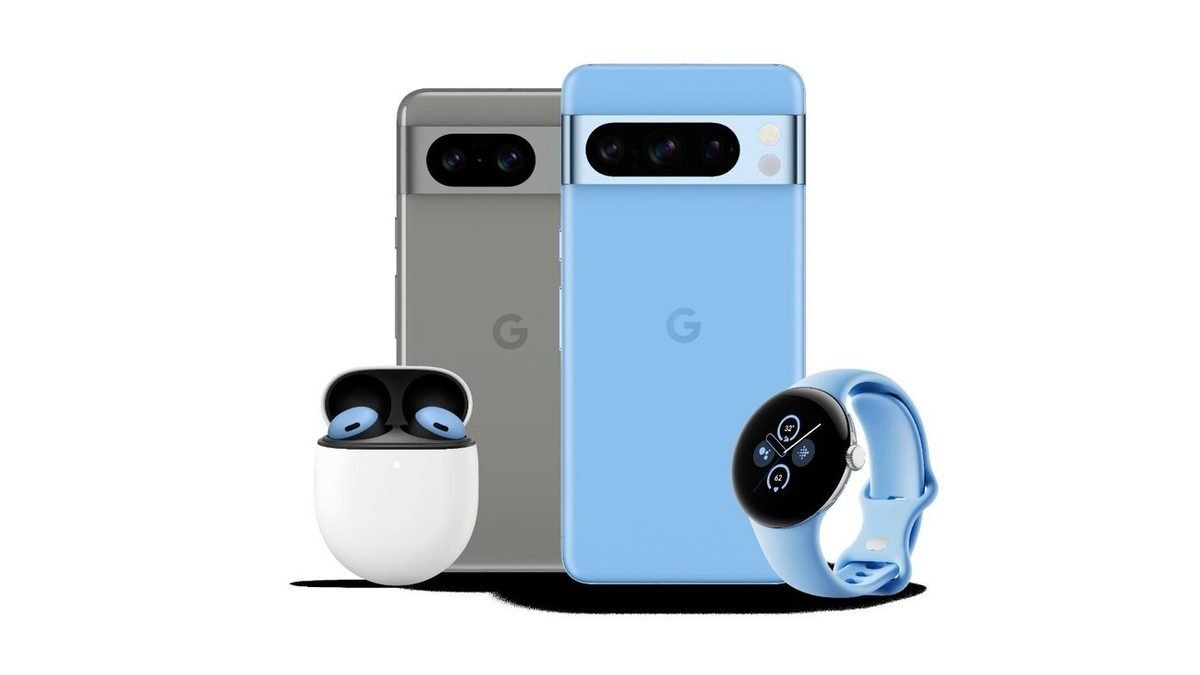
Holding onto a three-year-old handset usually means dealing with a declining battery. You also might eye modern hardware upgrades. Google reshaped its flagship lineup considerably since launching the 2023 Pro model. Yet upgrading is not necessary for every owner. Everyday browsing, streaming, and texting still run smoothly on older hardware. Even so, Google’s 2026 flagship brings a cooler processor. It also adds a brighter panel and faster cameras. You also benefit from higher wired speeds that shorten charging sessions. The newer flagship starts around $1,099 as of September 28, 2026. However, carrier trade-in deals often reduce that price. Comparing daily handling, screen legibility, and cameras will show if swapping hardware makes sense today.
Design and Display Upgrades
Physical refinements alter everyday handling the moment you pick up each phone. Google gave the 2026 model a satin aluminum frame that naturally rejects oily fingerprint smudges. In contrast, polished metal rails on the 2023 predecessor attract greasy streaks within minutes of use. The modern edition uses Gorilla Glass Armor on the front. This glass cuts down reflections. It also resists scratches from pocket keys and coins.
Outdoor visibility shows a stark difference between panels. Screen brightness is measured in nits, a unit showing how much light a panel emits. The older screen caps output at 2,400 nits under midday sunlight. The updated display reaches 3,200 nits. You can easily read small map labels on sunny sidewalks.
Thinner borders let a 6.8-inch screen fit into a frame nearly identical to the older 6.7-inch body. Flat edges provide a secure grip when snapping one-handed photos. Curved rails on the older phone feel gentler in small hands. However, the flat modern profile sits more securely in car mounts.
- Newer flagship exterior: Matte metal finishes, lower surface reflections, flatter perimeter rails, and minimal glass bezels.
- Previous generation exterior: Softly curved edges, glossier polished trim, slightly lighter carry weight, and higher outdoor glare.
Tensor Chipset Performance and AI Features
Raw silicon efficiency separates these two product eras. The older phone’s Tensor G3 chip handles daily web tasks easily. But heavy background downloads raise temperatures fast. Under sustained gaming loads, the older phone dimmed its screen much sooner to shed heat. The advanced Tensor silicon inside the newer chassis stays remarkably cool during prolonged sessions.
Sustained cooling protects performance across intensive tasks. When phones overheat, they throttle performance. Throttling slows the chip down to prevent heat damage. Navigating with GPS on a hot dashboard often triggers this slowdown on the older phone. The updated architecture manages heat evenly. It prevents dropped frames during 4K video exports.
Smart onboard software features run with greater independence from web connections:
- Local processing power: On-device Gemini intelligence operates directly on system memory. It does not send private audio recordings to cloud servers.
- Speedy transcription: Live voice notes transcribe instantly, producing clean meeting summaries in seconds.
- Real-time call tools: Automated screening software filters unwanted spam calls without perceptible audio pauses.
Cloud tools on the older model work fine. Still, local processing gives you a faster, more private experience.
Pros and Cons of Upgrading
Swapping phones involves balancing modern hardware perks against a sizable financial investment. Upgrading solves common wear issues. Yet keeping your paid-off handset saves cash for everyday expenses.
Key Advantages:
- Restored battery endurance: A fresh battery ends the nuisance of hunting for wall chargers before dinner.
- Reliable network reception: An updated cellular modem locks onto weak signals in crowded arenas and rural areas.
- Extended update runway: Buying the latest release guarantees software updates well into the next decade.
- Quicker wire replenishment: Supported 45-watt charging speeds slash your time plugged into the wall.
Main Drawbacks:
- Premium initial outlay: Google’s top-tier phone costs four figures upfront before carrier deals apply.
- Diminishing returns on basic apps: Everyday apps like social media and messaging feel nearly identical on both units.
- Substantial physical presence: The wider frame often requires two hands for a comfortable reach.
Trade-in deals on old hardware cut your costs sharply. Check the official store to explore trade allowances.
Overview: Generational Differences
Three years of hardware evolution create subtle yet practical refinements. The 2023 Pro handles daily tasks well. But natural aging slowly weakens its battery life. The Pro XL fixes that with better power efficiency, upgraded camera sensors, and faster charging.
Choosing whether to switch comes down to your personal needs. Three main factors guide this decision:
- Optics and zoom clarity: Updated camera sensors capture richer shadows and cleaner long-range zoom shots.
- Power stamina: A new battery restores all-day confidence. Faster wired charging gives you a quick boost.
- Software longevity: Google promised seven years of updates for the 2023 Pro. The newer edition restarts that seven-year clock.
If your phone lasts through the workday, staying put makes economic sense. Frequent travelers with fading batteries will appreciate the newer hardware.
Specs Comparison: Key Hardware
| Feature | Pixel 8 Pro | Pixel 11 Pro XL |
|---|---|---|
| Screen Size and Brightness | 6.7-inch OLED, 2,400 nits peak | 6.8-inch OLED, 3,200 nits peak |
| Processor Chip | Tensor G3 | Tensor G6 |
| RAM and Storage | 12GB RAM, 128GB to 1TB | 16GB RAM, 256GB to 1TB |
| Battery and Charging | 5,050 mAh, 30W wired | 5,200 mAh, 45W wired |
| Camera System | 50MP Main, 48MP Ultrawide, 48MP 5x Telephoto | 50MP Main, 48MP Ultrawide, 48MP 5x Telephoto (New Sensors) |
Performance and Battery Life Improvements
Newer chip manufacturing methods deliver real daily efficiency gains. The older flagship uses the Tensor G3 chip. The updated model packs a faster Tensor G6 chip built on a three-nanometer structure. This design lets electric current travel shorter distances. That reduces power drain and curbs heat. You can edit photos during video calls without the phone getting uncomfortably warm.
Battery size also steps forward. The 2023 Pro holds a 5,050 mAh battery. (Here, mAh measures energy storage.) The modern chassis holds a 5,200 mAh cell paired with 45-watt wired charging. Using a compatible brick replenishes fifty percent of total capacity in roughly twenty minutes. That efficiency leap yields roughly four more hours of screen time.
Display Quality and Camera Performance
Both phones use OLED screens, where each pixel lights itself for rich contrast. The modern panel outshines its predecessor outdoors by 800 nits. You can check flight boarding passes or read emails in bright sunlight without cupping your hand.
Photographic improvements center on sensor physics rather than raw megapixel counts. Both models have 50-megapixel main lenses. However, the newer model has a larger sensor that captures more light indoors. The shutter responds instantly. This stops motion blur when you photograph active pets or kids. High dynamic range (HDR) balances shadows and highlights. It keeps bright skies clear without washing out faces. Distant subjects at 10x or 20x zoom keep sharp edges thanks to machine-learning software.
Should You Buy the New Flagship?
Deciding to upgrade depends on how well your current phone meets daily demands. Google promised seven years of support for the 2023 model. Your data stays safe for years ahead. If your screen looks great and the battery lasts, keeping your phone saves money.
However, the modern XL edition resolves long-standing hardware compromises. It runs cooler, lasts longer, shows brighter outdoor visuals, and expands memory to 16GB. Review available trade discounts on Google’s retail portal to see your net cost. Power users who rely on their phone for daily work will appreciate the upgrade.
Camera Systems and Video Capabilities
During evening walks, the updated software locked focus on moving pets in dim alleys very quickly. Google upgraded the main sensor to capture more light. You no longer need to hold still for long exposures. Night photography feels spontaneous rather than staged.
Optical zoom uses physical glass lenses to magnify subjects without losing image quality. The older 5x lens takes nice portraits. But the modern model keeps crisp detail even at 10x zoom. Architectural details across distant monuments remain defined instead of muddy.
Video capturing tools show the most substantial generational divide:
- On-board video enhancements: Video Boost now runs directly on the device. You no longer wait for cloud servers to process clips.
- Night recording clarity: Instant noise reduction cleans up grainy shadows during dark city strolls.
- Balanced exposure mapping: Smart exposure algorithms stop bright streetlights from flaring while keeping natural skin tones.
Casual shooters taking sunny vacation snapshots will find the older camera setup plenty sharp. Content creators filming extensive low-light video or capturing stadium sports will appreciate the immediate on-device rendering.
Who Should Upgrade to the Newer Model?
Pinpointing your personal usage habits helps determine whether to make the leap or wait another release cycle.
Consider upgrading if:
- You work outdoors constantly: High display brightness makes text easy to read under direct sun.
- You require private artificial intelligence: Gemini AI runs on-device without sending personal data to cloud servers.
- Your battery requires frequent charging: A worn battery gets replaced by a larger cell that lasts all day.
Hold onto your existing phone if:
- Your daily performance feels snappy: Basic apps like email, maps, and browsers run smoothly on the older phone.
- You value maximum device lifespan: Software support keeps your current phone secure and working through 2030.
- You want to avoid major expenses: Skipping this upgrade keeps hundreds of dollars in your pocket.
Confirm current pricing on the manufacturer’s site before choosing your path.
Frequently Asked Questions
Are the camera upgrades noticeable between these two phones?
Yes, especially at dusk and indoors. The modern sensor captures more light to cut motion blur. Telephoto zoom also stays sharper past 5x magnification. Standard daylight photos look similar on both phones, but tricky lighting shows the difference.
How much better is battery life on the newer edition?
You can expect three to four extra hours of active screen time. A larger battery and an efficient screen save power all day. A degraded battery on your older phone will make this gap feel even larger.
Will an older 8 Pro still get software updates?
Yes. Google promised seven years of operating system updates when the phone launched in 2023. That promise covers security patches and new features through late 2030. You do not need to upgrade just for safety.
What is the main screen difference between both displays?
Brightness is the biggest change. It makes outdoor reading much easier in direct sun. Slimmer borders let a larger 6.8-inch screen fit into the same frame size. The newer glass also cuts glare.
Does the newer flagship charge faster than the older model?
Yes. The updated model supports 45-watt wired speeds over USB-C. Reaching fifty percent takes about twenty minutes with a compatible charger. The older 30-watt system takes roughly thirty minutes to reach fifty percent.
Final Verdict: Is the Upgrade Worth It?
Holding onto the 2023 phone remains practical for messaging, casual photos, and web browsing. Google designed the modern XL model to fix hardware wear rather than reinvent phones. You get clear gains in outdoor visibility, heat control, and battery life. Upgrading offers real daily comfort.
Buying the modern XL is a major purchase. An upgrade brings real relief if your battery dies early or your phone overheats during navigation. You get faster charging, 16GB of memory for smooth multitasking, and cooler temps. If your current phone still meets your daily needs, keeping it is your best financial move.
Choose your direction based on daily priorities:
- Upgrade to the newer model if your battery dies before evening, your screen is worn, or you shoot low-light video often.
- Stick with your existing phone if you mostly stream videos, browse social feeds on Wi-Fi, and like your current photos.
Take time to assess trade-in promotions before committing to an upgrade.